






















































































Stablecoin issuer Tether has accumulated 116 tonnes of physical gold, placing it on the same level as national reserves held by South Korea, Hungary and Greece. Jefferies, in an analysis cited by the Financial Times, noted that Tether has become the largest non-central-bank holder of gold worldwide. The firm’s rapid buying appears to be influencing short-term market dynamics as gold prices continue to climb.
Tether’s Purchases Shape Global Demand
Jefferies estimated that Tether accounted for nearly two percent of global gold demand in the last quarter. Its accumulation represented almost twelve percent of central bank purchases in the same period. Analysts believe that this aggressive buying has tightened supply. The firm suggested that Tether’s appetite may have helped lift sentiment, drawing speculative inflows into gold markets.
Investors quoted in the report expect Tether to target an additional one hundred tonnes of gold in 2025. With the company projected to earn fifteen billion dollars in profit this year, Jefferies said this ambition appears entirely achievable.
Strategic Investments Across the Gold Industry
Tether has been broadening its exposure to the precious-metal sector throughout the year. The company spent more than three hundred million dollars on investments in gold-related businesses. In June, it acquired a thirty-two percent stake in Canadian gold royalty firm Elemental Altus Royalties.
According to the FT, Tether is examining further investments across the gold supply chain, including mining, refining, trading and royalty operations. These moves align with its broader strategy to diversify its reserve assets and build influence in commodity markets.
Tokenised Gold Gains Momentum Through XAUt
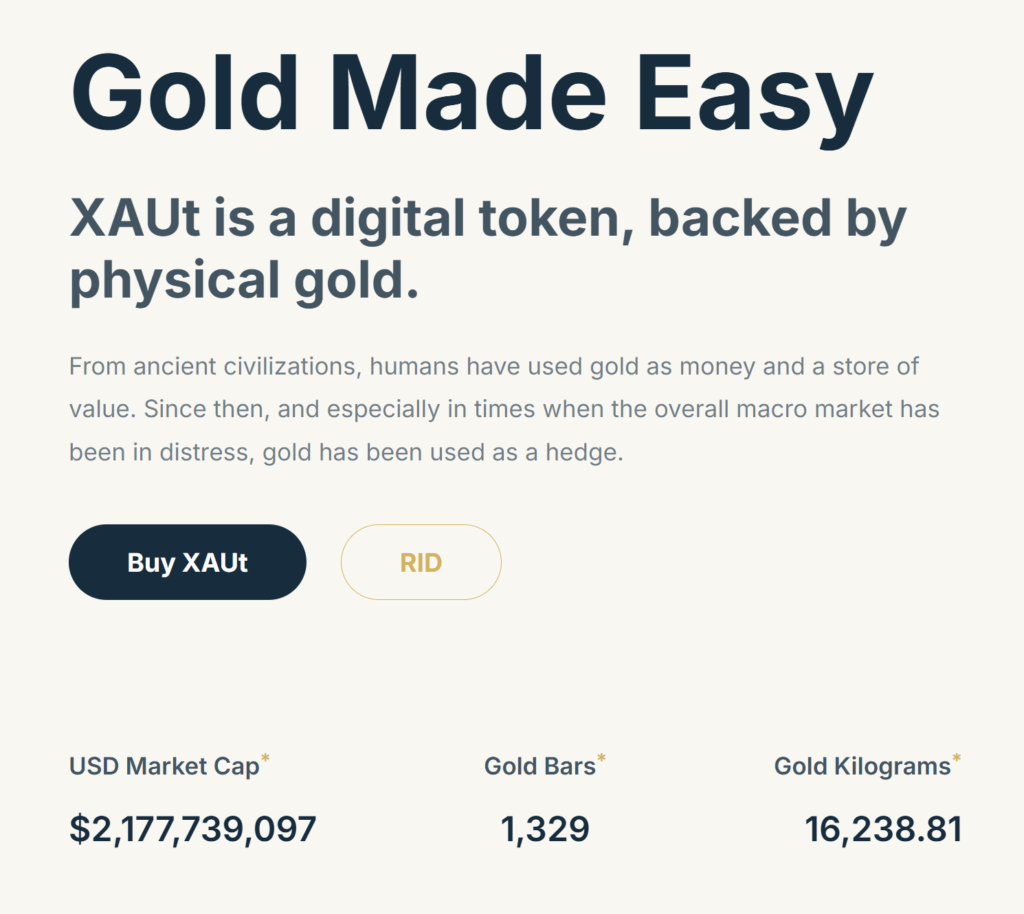
The company also issues Tether Gold, known as XAUt, which is backed by bullion held in a Swiss vault. Blockchain data shows that XAUt issuance has doubled in the past six months. Tether added two hundred seventy-five thousand ounces, worth around 1.1 billion dollars, since August.
Jefferies believes Tether aims to position tokenised gold as a mainstream investment product. Physical gold remains cumbersome for small investors. Futures contracts come with roll costs. Gold ETFs charge comparatively high fees. Tether argues that tokenisation can remove these barriers and deliver more accessible exposure to the metal.
Tether’s Growing Resemblance to a Central Bank
The report also observed that Tether’s operations increasingly mirror traditional central bank functions. The company mints and redeems USDT directly for verified customers, expanding or contracting supply in a manner similar to a primary market mechanism.
Tether manages a reserve portfolio dominated by short-duration US Treasurys, along with substantial allocations to gold and Bitcoin. It earns interest on its Treasury holdings while issuing a non-interest-bearing stablecoin, generating central bank-like income streams.
The company also uses policy-style tools. This includes freezing blockchain addresses at the request of law enforcement and withdrawing support for certain networks when it identifies elevated risk. These actions reinforce its growing role as a powerful and systemically significant entity within the digital asset ecosystem.