



















































































The US Senate has made history by passing the first bill aimed solely at regulating stablecoins, setting the stage for a heated debate in the House of Representatives. The Guiding and Establishing National Innovation for US Stablecoins (GENIUS) Act was approved with a 68-30 vote on June 17, gaining rare bipartisan support. While many see it as a major win for crypto innovation in the US, others are concerned about the bill’s broader implications, especially as the House weighs whether to tie it to wider reforms.
GENIUS Act: What It Means for Stablecoins
The GENIUS Act is the first piece of legislation in the US to directly address stablecoins, digital currencies that are pegged to traditional fiat currencies like the US dollar. This bill permits private companies to issue their own stablecoins under a regulated framework, offering more clarity and legal certainty for the growing sector.
This development is being viewed as a major win for US-based stablecoin issuers like Circle, which runs the popular USD Coin (USDC). In contrast, Tether, the issuer of the world’s largest stablecoin by market cap, has reacted cautiously, as the regulatory landscape becomes more defined and competitive in the US.

Despite support from both sides of the aisle, not all lawmakers were on board. Senator Josh Hawley (R-MO) opposed the bill, arguing that it gives too much power to big tech companies, which may venture into digital finance through stablecoin offerings. Hawley’s proposed amendment to limit tech giants from issuing stablecoins was rejected, adding to frustrations among some Republican senators over the lack of opportunity to make changes to the bill.
Bipartisan Yet Tense: Political Challenges Behind the Vote
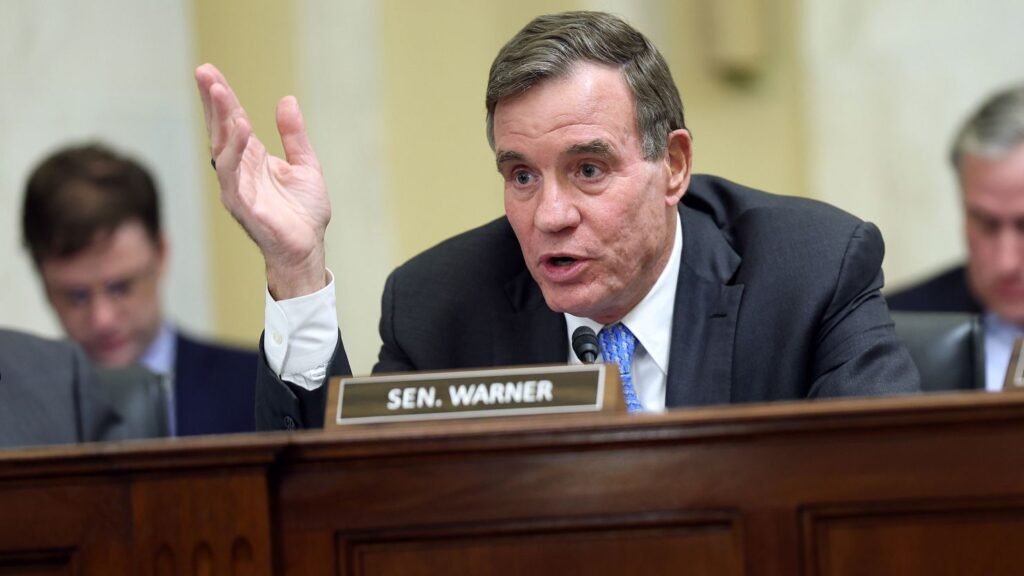
Although the GENIUS Act passed with a significant majority, it did not come without political friction. Many senators expressed discontent over the closed amendment process. Senator Mark Warner (D-VA), a lead supporter of the bill, acknowledged the difficult negotiations and even mentioned tensions related to the Trump family’s involvement in digital assets. While not elaborated, this remark hinted at concerns over potential conflicts of interest.
Nevertheless, the bill’s advancement through the Senate reflects a growing consensus among lawmakers: the stablecoin sector needs rules. The lack of clear guidelines has long been a concern for investors and developers alike, leading to regulatory uncertainty and even driving innovation offshore.
Standalone Bill or Broader Crypto Reform?
The Senate’s approval has now put the spotlight on the House of Representatives, where lawmakers are divided on how to proceed. While the Senate prefers quick passage of the GENIUS Act as it stands, House leaders are considering folding it into a more comprehensive crypto reform package.
This broader package may include the Digital Asset Market Clarity (CLARITY) Act, which aims to define whether crypto assets should be treated as securities or commodities. It may also include provisions to ban central bank digital currencies (CBDCs), a move championed by some Republicans.
Representative Warren Davidson (R-OH) and House Financial Services Committee Chair French Hill (R-AR) have both indicated that a comprehensive approach is preferred. Hill believes that a parallel market framework is necessary to support stablecoin activity, and that proper digital property laws must be developed alongside specific stablecoin rules.
What’s Next? Delays or Digital Breakthrough?
The GENIUS Act’s fate now depends on whether the House decides to pass it as a standalone bill or combine it with broader digital asset reforms. If the House makes major changes, the bill will return to the Senate for further negotiation, which could cause significant delays.
Supporters of the GENIUS Act warn that delaying stablecoin regulation may slow down US innovation and give other countries a head start in shaping the digital currency space. On the other hand, those calling for a broader package argue that piecemeal regulation could create more confusion than clarity.
Whatever the outcome, one thing is clear: the US is finally moving forward in crafting rules for the digital asset space, and stablecoins are at the centre of this transformative debate.
The GENIUS Act represents a historic step in the regulation of digital assets in the United States. With the Senate’s approval secured, all eyes are now on the House. Will they act quickly and keep the bill focused on stablecoins, or aim for a larger regulatory overhaul? The decisions made in the coming weeks could shape the future of crypto in America.