





















































































US Greenlights Stablecoins: $4B Surge Follows GENIUS Act

The stablecoin market has exploded with activity following the recent passing of the GENIUS Act, a groundbreaking piece of US legislation providing clear rules for fiat-backed digital currencies. In just one week since the bill became law on July 18, the overall stablecoin supply surged by $4 billion, pushing the

GOP Launches Crypto Week to Fast-Track Key Bills
The US Republican leadership is preparing to host a significant legislative event dubbed “Crypto Week” between July 14–18, with the aim of pushing forward three critical cryptocurrency bills. The initiative represents the GOP’s commitment to aligning with former President Donald Trump’s pro-crypto agenda, as he seeks to re-enter the White

GENIUS Stablecoin Bill Clears Senate, Faces House Hurdles
The US Senate has made history by passing the first bill aimed solely at regulating stablecoins, setting the stage for a heated debate in the House of Representatives. The Guiding and Establishing National Innovation for US Stablecoins (GENIUS) Act was approved with a 68-30 vote on June 17, gaining rare

Stablecoin Market Booms Past $250B as GENIUS Act Nears Law
The stablecoin market has just crossed a major milestone, surpassing a $250 billion market cap. This surge comes at a crucial time, as the U.S. Senate officially passed the amended GENIUS Act, a federal bill that paves the way for stablecoin regulation across the country. With policy clarity now on
GENIUS Act Clears Major Senate Hurdle: What’s Next for the US Stablecoin Law?

The U.S. Senate has passed a crucial cloture motion on the GENIUS Act, a landmark stablecoin bill poised to establish the first federal regulatory...
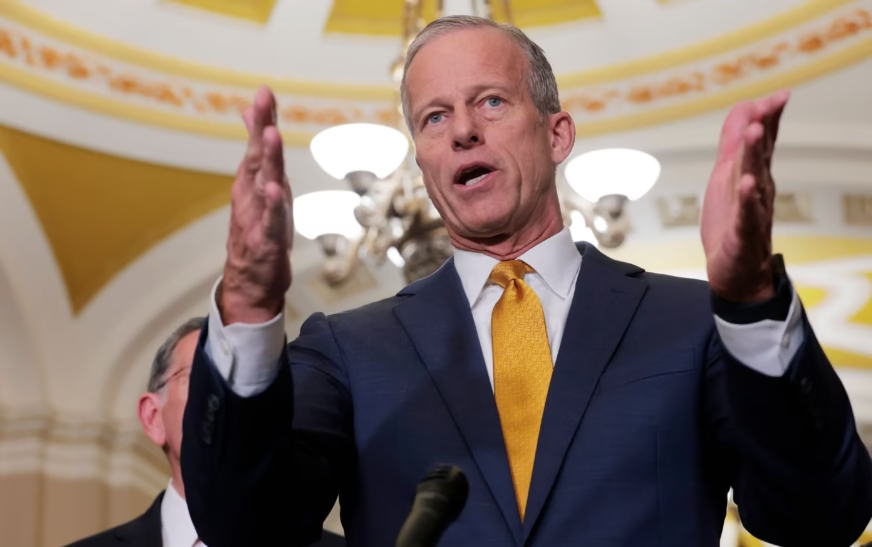
Senate Stalls Stablecoin Bill, But Talks Continue
As U.S. lawmakers scramble to regulate crypto in 2025, a pivotal piece of legislation—the Guiding and Establishing National Innovation for U.S. Stablecoins (GENIUS) Act—has hit an unexpected snag in the Senate. But despite a failed vote, political insiders and stakeholders say this bill isn’t dead—it’s simply delayed. With a bipartisan