





















































































Circle has revealed that the Asia-Pacific region has become the fastest-growing market for stablecoins, recording $2.4 trillion in on-chain activity between June 2024 and June 2025. The data, shared at the Circle Forum in Singapore, positions the region as a global leader in digital financial innovation.
Singapore and Hong Kong Climb Global Rankings
Singapore and Hong Kong have cemented themselves as the world’s second and third-largest hubs for stablecoin trading, trailing only the United States. The Singapore–China corridor has now become the most active route for cross-border stablecoin transactions, reflecting Singapore’s strategic position in regional and global digital asset flows.
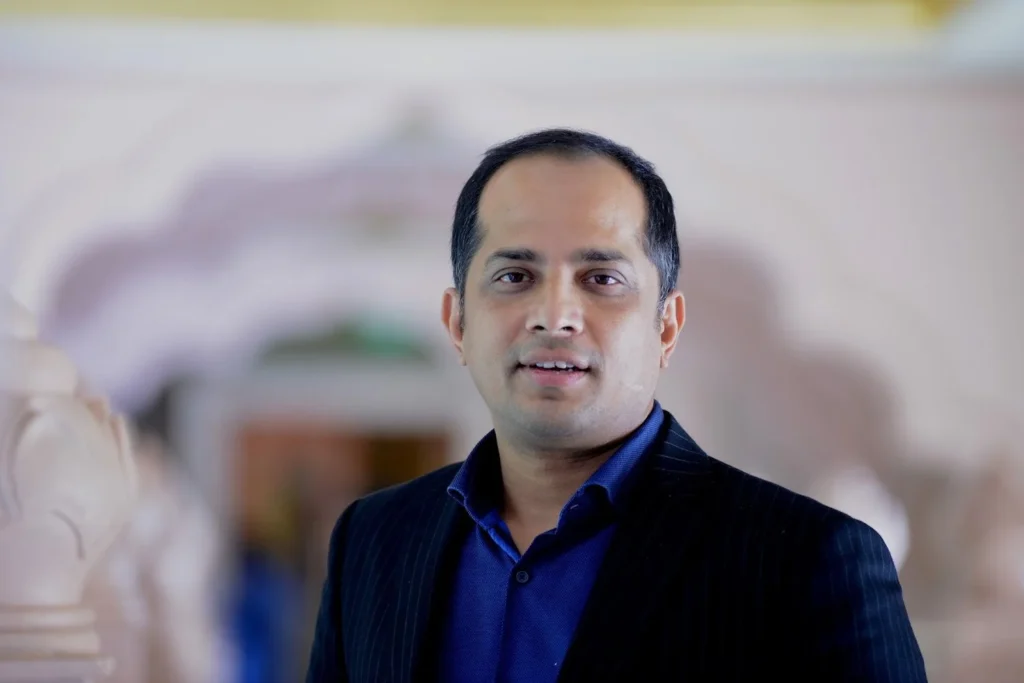
Circle formally entered the Asian market in May 2025, opening an office in Singapore. The launch event was attended by Sopnendu Mohanty, Chief FinTech Officer at the Monetary Authority of Singapore (MAS), who emphasised the increasing importance of new digital forms of money, including privately issued stablecoins.
Rapid Growth in Business and Consumer Adoption
The scale of adoption is evident in transaction volumes. Monthly corporate transactions, which were below $100 million in early 2023, have surged past $3 billion by early 2025. Stablecoins are now being used across diverse industries such as travel, luxury retail and hospitality.
Singapore-based Wetrip travel agency, Capella Hotels and luxury reseller Ginza Xiaoma, renowned for Birkin bags are among the growing list of businesses accepting stablecoin payments. This expansion into consumer-facing industries demonstrates that stablecoins are no longer limited to financial markets but are gaining ground in everyday commerce.
Stablecoins’ ability to settle transactions instantly and at lower costs, while avoiding the volatility associated with cryptocurrencies like Bitcoin and Ethereum, makes them particularly appealing for cross-border trade.
Regulatory Clarity Driving Mainstream Integration
The rapid rise of stablecoins is underpinned by regulatory momentum across key markets. Hong Kong introduced a dedicated regulatory framework for stablecoins in August 2025, while the United States passed the GENIUS Act in June, creating a formal legal structure for stablecoin issuance and oversight.
In China, policy attitudes remain restrictive, but there are early signs of change. In July 2025, Shanghai’s municipal government established a task force to explore blockchain’s role in international trade. Although not a shift to outright acceptance, the move indicates a possible softening in stance towards digital assets.
Global data supports this acceleration. By May 2025, the total circulating supply of stablecoins averaged $225 billion, a 63% increase year-on-year. Monthly global transaction volumes reached $625 billion, underscoring the sharp upward trend and mainstream adoption of stablecoin payments.
Circle’s Strategy and Asia’s Role in the Future of Money
For Circle, the Asia-Pacific region is not only a growth engine but also a testing ground for the global transition towards digital finance. With regulatory clarity improving and adoption expanding at both institutional and consumer levels, Asia-Pacific is becoming central to Circle’s long-term vision.
“Asia-Pacific’s interest in on-chain finance is unmatched globally and is unlikely to slow,” said Yam Ki Chan, Vice President of Circle Asia-Pacific. “Our expansion in Singapore highlights the country’s role as a key regulatory and commercial hub for digital assets.”
The broader context is clear: Asia-Pacific’s rising transaction volumes, growing institutional engagement and progressive regulatory frameworks are shaping the trajectory of stablecoin adoption worldwide. As stablecoins continue to bridge the gap between traditional finance and digital assets, the region’s influence on the future of money is set to expand even further.