





















































































A large crypto trader suffered an $8.2 million loss after a heavily leveraged long position in the ARC perpetuals market unraveled on decentralized derivatives platform Lighter. The sudden downturn forced the exchange to activate its risk management systems, including auto deleveraging, while limiting losses for liquidity providers to roughly $75,000.
The episode has drawn attention to how decentralized platforms handle extreme positions and market stress, particularly in smaller or isolated markets.
Massive Long Position Builds Up
According to Lighter, the trader, often referred to as a whale, gradually accumulated a substantial long position in ARC perpetuals over several days. The size of the bet pushed total open interest in the ARC market to around $50 million. Roughly 600 traders and market makers took the opposite side of the trade, positioning themselves short against the whale.
The market turned sharply around 6:00 pm ET on Wednesday when ARC’s price began to fall. As prices declined, the whale’s position came under pressure. Around $2 million worth of the trade was liquidated directly through the order book. The remaining exposure was transferred to Lighter’s Liquidity Provider Pool, or LLP, where it was categorized under a high risk strategy.
Auto Deleveraging Activated
To manage the growing imbalance and prevent further systemic strain, Lighter activated auto deleveraging. This mechanism partially closes profitable positions on the opposing side so that the platform can safely unwind large, distressed trades.
At its peak, the LLP briefly absorbed nearly 200 million ARC tokens, valued at approximately $14.7 million at the time. As ARC’s price continued to slide, the system reduced the position further.
By the end of the event, the whale’s losses totaled about $8.2 million in USDC. Meanwhile, traders who had shorted ARC against the position recorded gains.
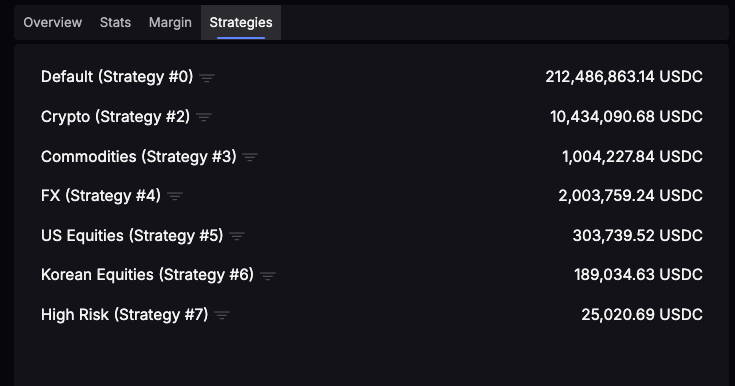
“In the end, the big long trader lost around 8.2M USDC, LLP lost 75k, and the short traders who took the risk of betting against this position were profitable,” Lighter said in a statement shared on X.
Liquidity Provider Losses Contained
Despite the size of the liquidation, losses to liquidity providers were relatively limited. Lighter reported that only around $75,000 was affected. The exchange attributed this containment to its risk segmentation framework, which isolates certain markets into separate risk buckets rather than exposing the entire liquidity pool.
Because ARC was placed in its own bucket, the fallout did not spread across the broader platform. This design helped protect other markets and participants from spillover effects.
The exchange emphasized that the short traders who had taken positions against the whale were paid out as expected, reinforcing confidence in the platform’s settlement process during volatile conditions.
New Safeguards Introduced
Following the incident, Lighter introduced additional safeguards for the ARC market. The platform implemented a $40 million cap on open interest for ARC perpetuals and shifted the trading pair under a capped liquidity strategy, allocating roughly $100,000 in USDC to support it.
Under the new framework, if the designated liquidity is fully utilized, the system will automatically transition to auto deleveraging to close risk and stabilize the market.
Lighter indicated that similar caps and restrictions may be extended to other assets to prevent future concentration risks.
Ongoing Concerns Around Decentralized Markets
The event comes amid wider concerns about price manipulation and market concentration on decentralized trading platforms. In August last year, several large traders were accused of influencing the price of Plasma’s XPL token on Hyperliquid after it surged roughly 200 percent within minutes to above $1.80.
Earlier in June, DeFi protocol Resupply reported a $9.6 million loss after an attacker exploited its wstUSR market by manipulating prices through its integration with the synthetic stablecoin cvcrvUSD.
While Lighter’s containment measures appear to have worked as intended, the ARC incident highlights the risks tied to large leveraged positions in thinner markets. It also underscores the importance of robust risk controls as decentralized derivatives platforms continue to attract bigger players and larger trades.