





































































South Korea’s largest crypto exchange, Upbit, has officially unveiled its own Ethereum Layer 2 network, GIWA, built on Optimism’s OP Stack. The move underscores the company’s ambition to strengthen its role in blockchain infrastructure and offer new growth avenues beyond trading.
From Rumours to Launch
Speculation around GIWA began in early August when Dunamu Inc., Upbit’s parent company, filed a series of trademarks. On Tuesday, the exchange confirmed its plans, shortly after CEO Oh Kyung-seok hinted at the project during a keynote at the Upbit Developer Conference.
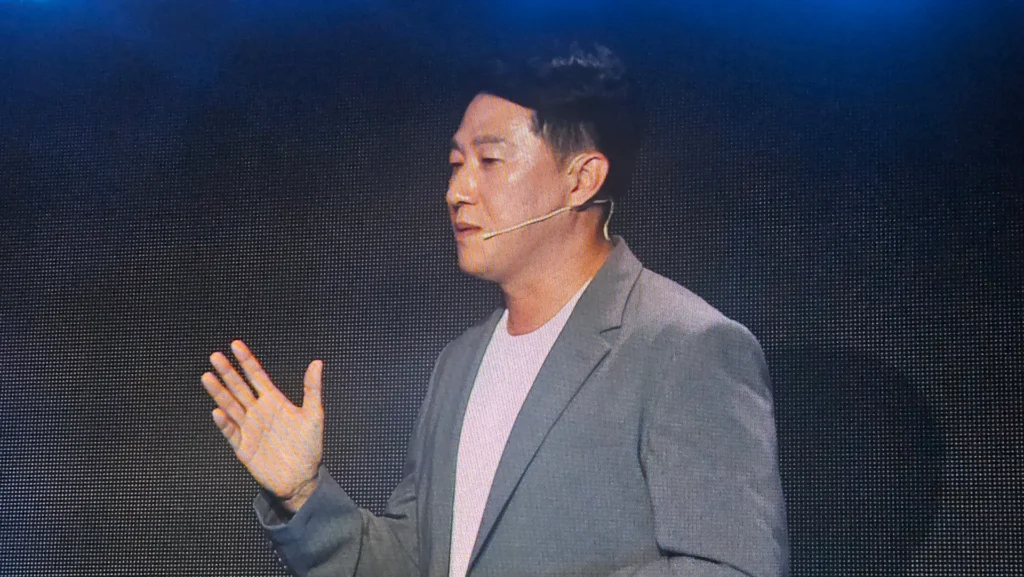
Speaking at the event, Oh said South Korea must “aggressively compete in the global financial infrastructure race, extending beyond Asia.” He linked GIWA’s launch to wider global developments such as the approval of the first U.S. spot Bitcoin ETF and the passing of landmark stablecoin legislation, framing blockchain innovation as an evolutionary shift rather than a bubble.
A company spokesperson added that while blockchain adoption has accelerated in regions like the U.S. and Singapore, South Korea has remained on the sidelines. With GIWA, Dunamu hopes to attract local developers to build Web3 services and prevent them from being left out of global opportunities.
What GIWA Brings to the Table
GIWA is built on Optimism’s OP Stack, employing Optimistic Rollups for scalability and one-second block times. According to its official documentation, the chain will feature:
- Scalability and performance: fast block finality via rollups.
- Privacy features: tied to Upbit’s verified liquidity and market data.
- Dedicated GIWA Wallet: supporting assets, NFTs and dApps.
A Sepolia-based testnet is already live, with plans for a phased roadmap toward decentralisation. Stablecoin issuance on GIWA, however, will depend on evolving Korean regulations.
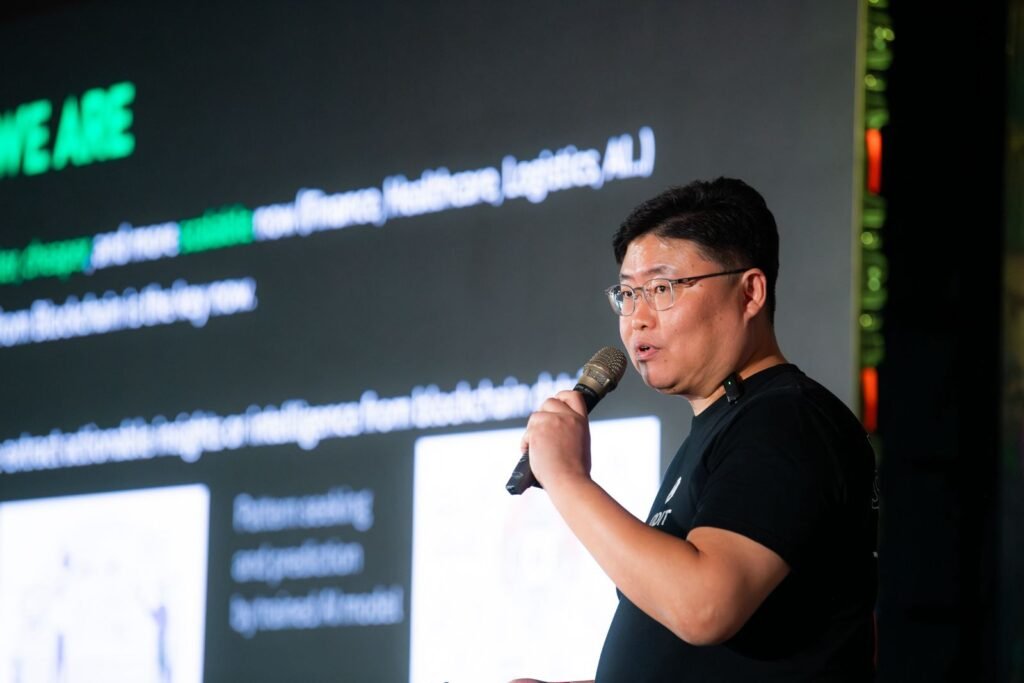
Rei Nam, CTO at Lambda256 (Dunamu’s blockchain arm), said GIWA reflects a long-term effort to empower both domestic and international builders. “Although still in testnet, Giwa represents an important step in expanding opportunities for both Korean and global builders,” he said, noting that Lambda256 has supported the project since its inception.
Centralisation and Sequencer Concerns
While GIWA’s launch broadens Upbit’s ecosystem, it also revives familiar questions around centralisation in exchange-operated Layer 2 networks. Like Coinbase’s Base, GIWA will initially rely on a single sequencer controlled by the operator.
A sequencer is crucial in Ethereum-based rollups, as it orders transactions, groups them and sends them back to Ethereum for settlement. This setup, however, can allow exchanges to influence transaction ordering and potentially capture maximal extractable value (MEV).
Earlier this year, regulators warned that exchange-operated Layer 2 networks could effectively function as trading venues, potentially triggering new compliance requirements. Analysts note it remains unclear how far such scrutiny will extend in Asian markets.
Jay Jo, senior analyst at Seoul-based Tiger Research, compared Upbit’s strategy with Coinbase:
“Both Coinbase and Upbit focus more on financial infrastructure innovation and utility than decentralisation. They’ll likely operate similarly.”
Strategic Diversification Amid Slowing Growth
For Upbit, GIWA is as much a strategic necessity as it is an innovation push. Since 2021, domestic trading volumes have slowed, while competition in South Korea’s exchange market has intensified. Previous diversification attempts including ventures into NFTs, overseas exchanges in Thailand and Indonesia and the Levvels platform have largely failed.
“Upbit needs growth drivers since domestic volumes declined after 2021 and competition keeps intensifying,” Jo said. Fee-based revenue models, he added, have limited upside.
By launching GIWA, Upbit is looking to leverage its existing advantages: a vast user base, deep liquidity and close supervision by Korean regulators. Jo suggested that some level of regulatory coordination likely took place before the network’s launch, reducing immediate compliance risks.
“This might be their most realistic diversification play,” Jo concluded.
Looking Ahead
GIWA positions Upbit not only as a trading platform but as a participant in the global infrastructure race that exchanges like Coinbase are also pursuing. By building on the OP Stack, it joins a growing roster of Layer 2s seeking to improve Ethereum’s scalability while carving out unique ecosystems.
Though questions of centralisation and regulatory oversight loom, GIWA’s early testnet signals Upbit’s intent to move beyond pure exchange operations and into infrastructure ownership. For South Korean developers and global builders alike, the chain could become a launchpad for new Web3 applications provided it delivers on its promises.