


















































































Tether, the company behind the world’s largest stablecoin, has partnered with video streaming platform Rumble to launch a non custodial crypto wallet aimed at enabling direct payments to content creators. The wallet, unveiled on Wednesday, allows Rumble users to tip creators using digital currencies, marking another step toward using crypto for everyday online transactions rather than pure speculation.
The launch comes after months of development and testing, with the companies earlier indicating that the rollout was planned for December once technical and user experience issues were resolved.
Wallet Focused on Creator Tipping
The new Rumble Wallet is designed primarily to support crypto based tipping on the platform. Instead of relying on traditional payment processors, users can now send digital assets directly to creators they support, without intermediaries holding custody of funds.
At launch, the wallet supports Tether’s dollar pegged stablecoin USDt, Tether Gold which is backed by physical gold, and Bitcoin. According to Rumble, more assets could be added over time depending on user demand and regulatory considerations.
By opting for a non custodial setup, Rumble ensures that users retain full control over their private keys and funds. This approach aligns with core crypto principles, reducing reliance on centralized entities and lowering the risk of account freezes or third party restrictions.
MoonPay Enables Fiat Conversions
To make the wallet more accessible to mainstream users, crypto payments company MoonPay has been integrated to provide fiat on and off ramps. This allows Rumble Wallet users to convert cryptocurrencies into local currencies and withdraw them using traditional payment methods.
MoonPay CEO Ivan Soto Wright said peer to peer crypto payments represent the future of the internet economy. He noted that seamless conversion between crypto and fiat is essential for wider adoption, especially for creators who rely on regular income streams rather than long term holding.
The MoonPay integration aims to remove friction for creators who may want exposure to crypto without being forced to manage complex exchanges or wallets.
Shift Toward Crypto as a Payment Tool
The introduction of crypto tipping on Rumble highlights a broader push within the industry to position digital assets as a medium of exchange rather than purely an investment vehicle. While Bitcoin was originally envisioned as a peer to peer electronic cash system, its use today is largely centered on long term holding and price speculation.
Bitcoin’s technical limitations have played a role in this shift. Blocks are produced roughly every ten minutes, and transaction fees can spike during periods of high network activity. These factors make Bitcoin less practical for small payments, where fees can exceed the value of the transaction itself.
As a result, many users treat Bitcoin as digital gold, accumulating it as a store of value rather than spending it on goods or services.
Stablecoins Fill the Gap
Stablecoins like USDt have emerged as a solution to some of these challenges. By being pegged to fiat currencies, they offer price stability along with near instant settlement and relatively low fees. This makes them well suited for online payments, cross border transfers, and creator monetization.
On platforms like Rumble, stablecoins allow users from different countries to support creators without dealing with currency conversions, bank delays, or high remittance costs. Funds can move across borders in minutes, directly from one wallet to another.
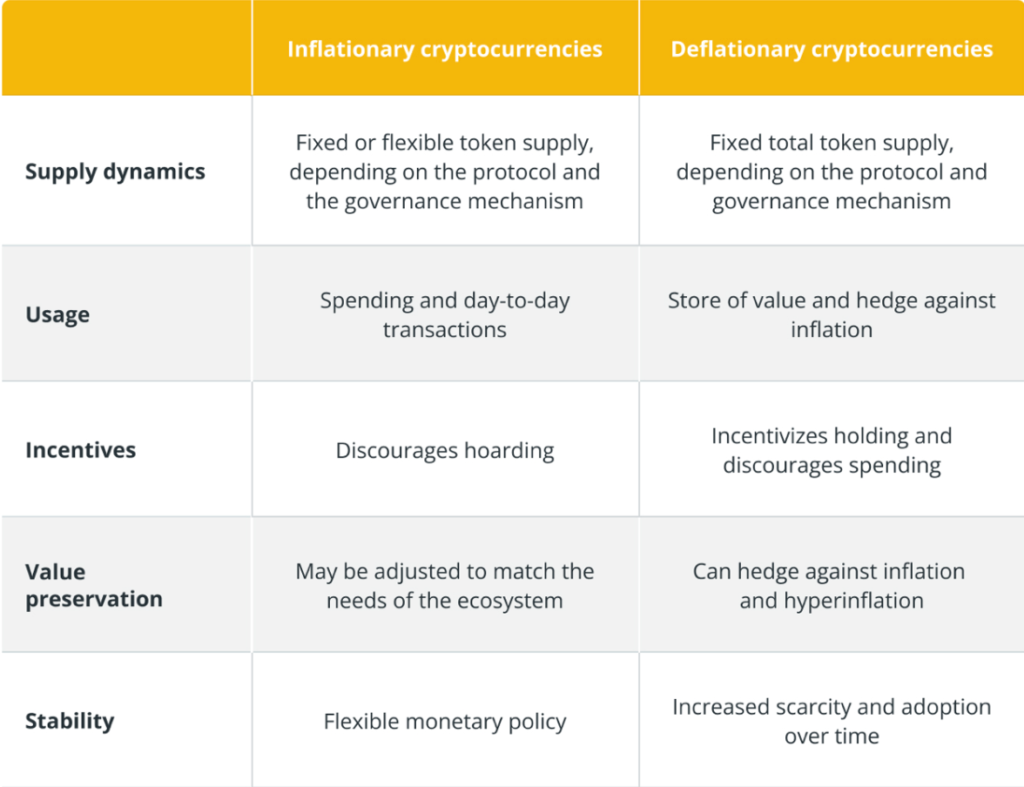
However, stablecoins are not without criticism. Detractors point to risks such as reliance on centralized issuers, potential regulatory pressure, and the inflationary nature of the underlying fiat currencies they are tied to. Concerns about asset backing and transparency also remain part of the broader debate.
Growing Role of Crypto in Online Platforms
Rumble and Tether did not immediately respond to requests for comment at the time of publication. Still, the partnership reflects a growing trend among digital platforms to explore crypto based monetization models, especially as creators seek alternatives to traditional ad revenue and payment systems.
For Rumble, the wallet could serve as a differentiator in a crowded video platform market, appealing to creators and audiences who value financial autonomy and censorship resistant payments.
As crypto continues to evolve, use cases like tipping and micro payments may play a key role in shaping how digital value moves across the internet. Whether these tools can achieve mass adoption will depend on usability, regulation, and the ability to balance decentralization with convenience.