



















































































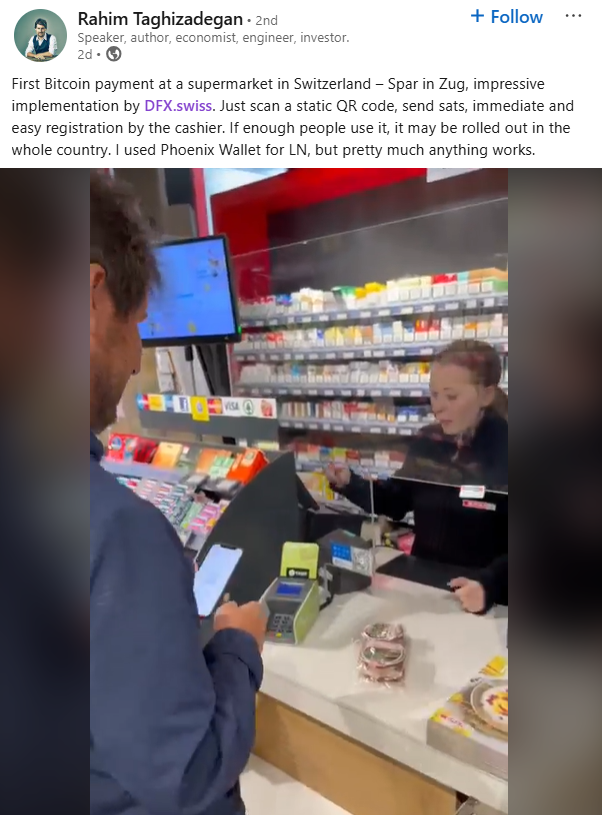
Spar, one of the world’s largest grocery chains, is set to introduce cryptocurrency and stablecoin payments across its Swiss stores, partnering with Binance Pay and Swiss fintech firm DFX.swiss. The initiative marks what the company describes as Switzerland’s first nationwide rollout of digital asset payments in the retail sector.
The service is already operational in 100 Spar supermarkets and will gradually expand to the remaining 200 outlets in the coming months. However, a complete rollout across the country’s Spar network does not yet have a confirmed timeline, according to both Spar and DFX.swiss representatives.
Crypto Payments in Swiss Supermarkets
Through the new system, customers will be able to pay with more than 100 cryptocurrencies and stablecoins, including Bitcoin and Tether. Payments will be processed via Binance Pay, with DFX.swiss handling the conversion into Swiss francs or other requested currencies. Shoppers will simply scan a QR code in-store using the Binance Pay app before selecting their preferred token. Transactions will be gas-free for customers, with settlement handled automatically.
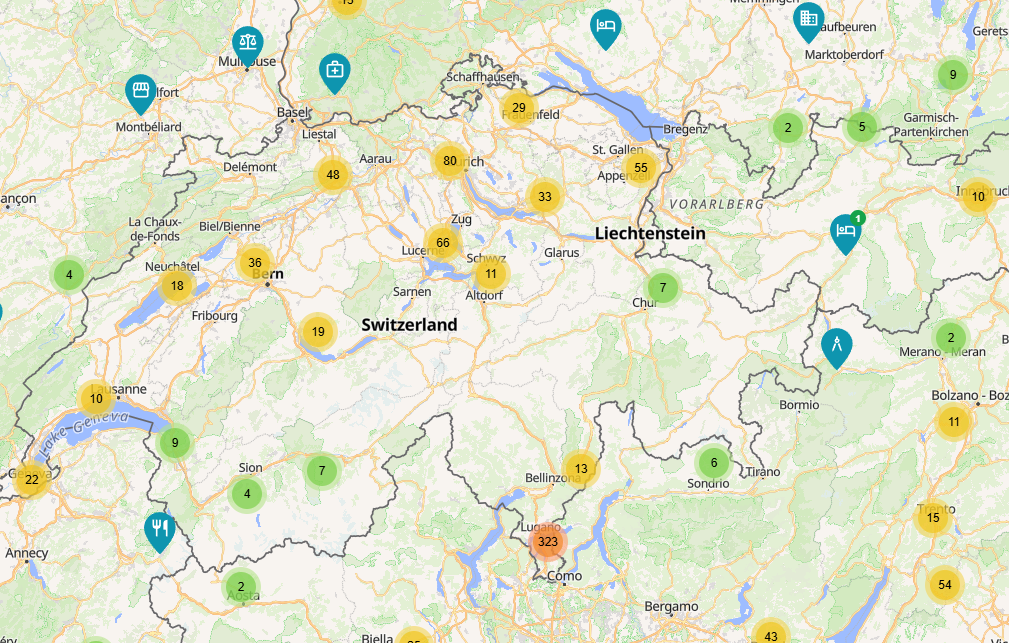
This development aligns with Switzerland’s growing adoption of cryptocurrencies in everyday transactions. The country is already considered one of Europe’s most crypto-friendly jurisdictions, with over 1,000 retail locations accepting Bitcoin, according to BTCmap data.
Retail First for Switzerland
Spar’s move represents a significant milestone for the retail industry in Switzerland. While some businesses already accept crypto, this will be the first time a supermarket chain of Spar’s scale has introduced such a payment method nationwide. The expansion is expected to encourage more mainstream trust in cryptocurrency transactions and inspire other retail giants to follow suit.
In 2023, the city of Lugano became the first in the world to accept Bitcoin and Tether payments for all municipal fees, underscoring the country’s pioneering role in crypto adoption.
Lower Transaction Costs for Merchants
Spar Switzerland’s managing director, André Scherrer, highlighted the potential cost benefits for retailers. Compared to traditional card payments, cryptocurrency transactions could help merchants save up to two-thirds of commission fees. He described such “smart wallet payment solutions” as the future of retail, given increasing customer demand for digital alternatives.
Growing Momentum in Crypto Adoption
This rollout further cements Switzerland’s position as a leader in integrating digital assets into mainstream commerce. Major brands in the country have already embraced crypto-friendly policies, and the trend shows no sign of slowing. With Spar now taking the lead in the grocery sector, the acceptance of cryptocurrencies as an everyday payment method could become increasingly common.