















































































The gaming industry is no stranger to console wars. From Nintendo vs. Sega in the 90s to today’s battles between Sony, Microsoft, and Nintendo, each new generation brings its own fight for dominance. Now, a new contender is entering the ring, Web3 gaming consoles. Over the next two months, the first blockchain-native handhelds will hit the market, promising to reshape how gamers interact with decentralised ecosystems. But with industry titans already commanding the handheld market, is there really room for these crypto-powered challengers?
The Dawn of Web3 Gaming Handhelds
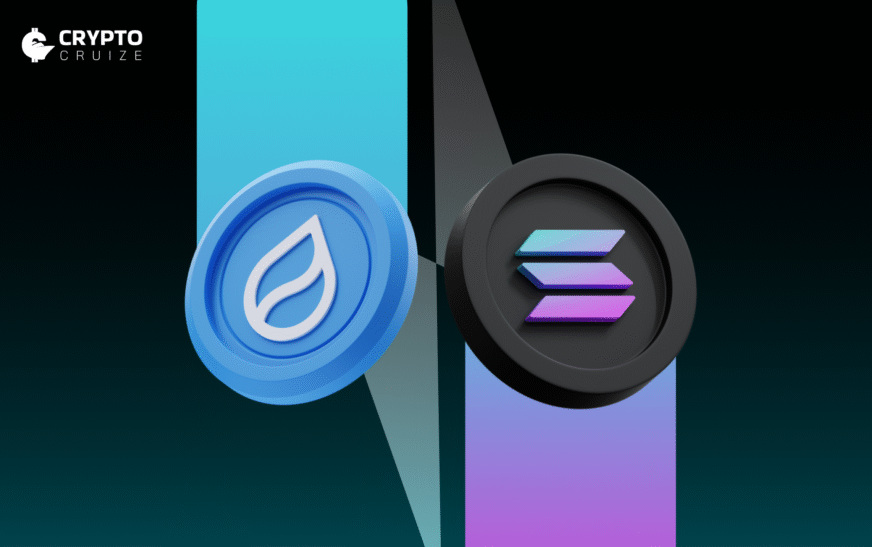
Two major Web3 consoles are set to debut in late 2025: Solana’s PSG1 and Sui’s SuiPlay0X1. Their arrival marks the beginning of what could be described as crypto’s very own console war.

Unlike traditional handhelds, these devices are purpose-built to support their respective blockchain ecosystems. The PSG1 is deeply integrated with Solana’s ecosystem of decentralised applications (dApps) and Web3 games, while the SuiPlay0X1 is tied to the Sui blockchain. In theory, this gives them a unique edge offering a dedicated device for crypto-native gaming experiences.
However, this blockchain exclusivity also presents a major drawback. By focusing only on their home ecosystems, both consoles may limit cross-chain interoperability, a factor that has been touted as one of blockchain’s biggest strengths.
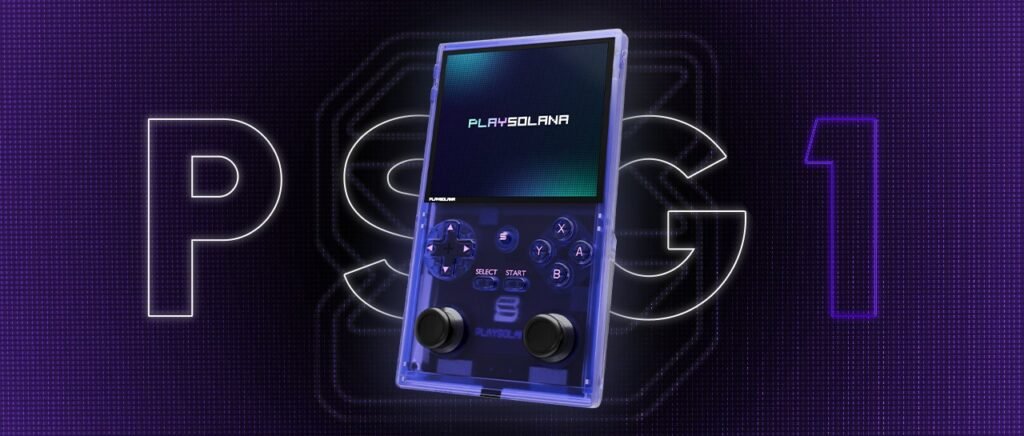
In short, while these devices represent innovation in Web3 adoption, they are also taking a gamble by narrowing their scope to niche audiences.
Solana’s PSG1: Nostalgia Meets Web3
The PSG1 console, retailing at $329, is Solana’s answer to handheld gaming. Compact and affordable compared to its rival, it offers:
- 8 GB RAM
- 128 GB flash storage
- 5-inch OLED display (1280 x 1080 resolution)
- A built-in Solana hardware wallet
Design-wise, it evokes the nostalgic feel of a classic Nintendo Game Boy, appealing to retro enthusiasts. Reports also suggest the PSG1 could emulate classics from the PlayStation 2, GameCube, PSP and Dreamcast, though official confirmation is pending.
Where it truly shines is within Solana’s own blockchain ecosystem. Gamers will have direct access to Solana-based dApps and Web3 titles, offering a seamless way to interact with decentralised applications.
However, the PSG1 comes with a major limitation: it won’t support mainstream gaming storefronts like Steam or Epic Games. That makes it less appealing to players who want a single device that balances both traditional and blockchain-native gaming.
Still, for casual gamers and crypto enthusiasts seeking nostalgia paired with Web3 functionality, the PSG1 could carve out a loyal community.
SuiPlay0X1: A Premium Web3 Powerhouse
On the other end of the spectrum is the SuiPlay0X1, launching with a steep price tag of $649. Unlike Solana’s budget-friendly approach, Sui is targeting serious gamers with more powerful specs:
- AMD Ryzen processor
- 16 GB RAM
- 512 GB SSD storage (expandable)
- 7-inch IPS display (1920 x 1200 resolution)
In terms of design, it resembles a mix between Sony’s PSP, Nintendo’s Wii U and modern handhelds like the Steam Deck. More importantly, early demos have shown the SuiPlay running AAA titles like Elden Ring, suggesting it can compete with mainstream handhelds in terms of raw gaming performance.
Unlike the PSG1, the SuiPlay0X1 is not locked entirely into its blockchain ecosystem. Gamers will still be able to access Steam and the Epic Games Store, making it a hybrid Web2-Web3 gaming device. This flexibility could prove to be its biggest advantage.
That said, the high price point may alienate casual gamers. At $200 more than Nintendo’s upcoming Switch 2 and only slightly cheaper than the ROG Xbox Ally, it risks being overshadowed by more established gaming brands offering better value.
Heavy Competition Ahead
Web3 consoles are not entering a vacuum, they’re stepping onto a battlefield dominated by seasoned giants.
- Nintendo Switch 2: Priced at $449.99, it offers strong brand loyalty and a massive library of exclusive titles.
- ROG Xbox Ally: Launching in October 2025, this powerhouse handheld comes in two variants $549.99 (16 GB RAM, 512 GB storage) and $899.99 (24 GB RAM, 1 TB storage). It directly targets the premium handheld market, posing a direct threat to SuiPlay0X1.
- Android-based retro consoles: Over the last two years, affordable retro handhelds have surged in popularity. Many of these devices already emulate older consoles at a fraction of the price, undercutting the PSG1’s nostalgia-driven appeal.
- B3PC crypto gaming rig: Beyond handhelds, PC gamers have a new blockchain-native machine, further diluting the Web3 handhelds’ unique selling proposition.
Against this backdrop, both Solana and Sui face an uphill battle. Without killer apps or groundbreaking exclusive experiences, it will be difficult for either console to secure a lasting foothold in the gaming market.
The Verdict: Niche Potential, Uncertain Future
The PSG1 and SuiPlay0X1 embody two very different strategies. Solana’s console is affordable, nostalgic and ecosystem-centric. Sui’s is powerful, flexible and designed to appeal to more serious gamers.
- The PSG1 could thrive if Solana delivers high-quality Web3 gaming experiences that can’t be found elsewhere. Its lower price point makes it a potential entry-level Web3 handheld.
- The SuiPlay0X1, while technically impressive, risks pricing itself out of the market unless it can match the performance of the Steam Deck or Xbox Ally while also offering unique blockchain features.
Ultimately, both consoles face the same challenge: persuading gamers that Web3-native handhelds are worth investing in when mainstream platforms already deliver richer libraries and smoother experiences.
For now, the Web3 gaming console war is less about dethroning industry giants and more about proving whether blockchain-native hardware even has a place in the gaming ecosystem. If either console can foster strong communities and deliver memorable experiences, they may just earn their slice of the market. But make no mistake, the odds are stacked against them.