






















































































In a notable display of user-first transparency, decentralised derivatives exchange Hyperliquid has reimbursed nearly $2 million in USDC to traders impacted by a 37-minute API outage that occurred on July 29. The outage, which temporarily halted order execution, sparked concern among users but was quickly addressed by the platform’s team.
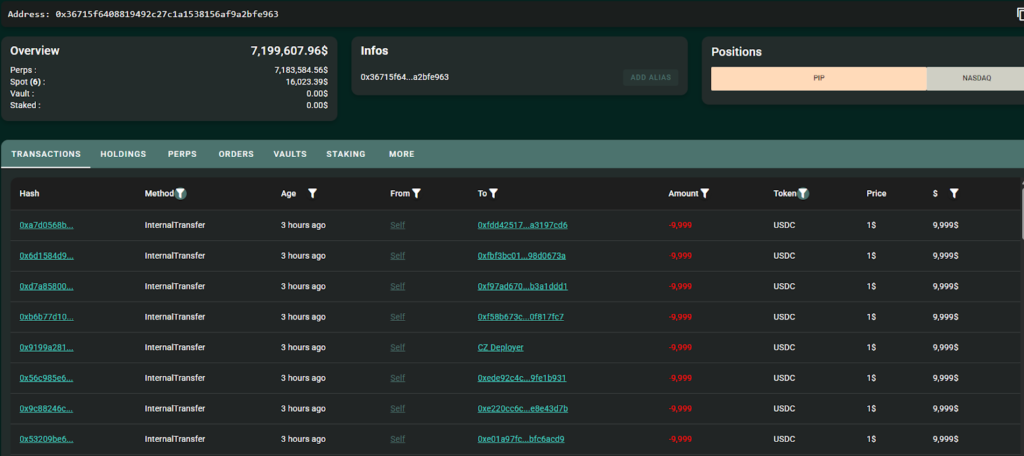
According to blockchain data from Hypurrscan, the refunds totalling $1.99 million were distributed on Monday, August 4. The bulk of payouts were executed within hours, with over $1.5 million confirmed disbursed by community trader “aaalex” in a post on X (formerly Twitter).
“Incredible considering they have no legal obligation, no contract or SLA to do this,” he commented, highlighting the trust-centric nature of decentralised protocols where such guarantees are rarely codified.
API Outage Triggered by Record Traffic Surge, Not Exploit
Initial fears of a hack or technical exploit were quickly dispelled after Hyperliquid clarified the cause behind the disruption. The platform attributed the outage to an “unexpected spike in traffic” that coincided with Hyperliquid crossing a record $14.7 billion in total open interest on July 23.
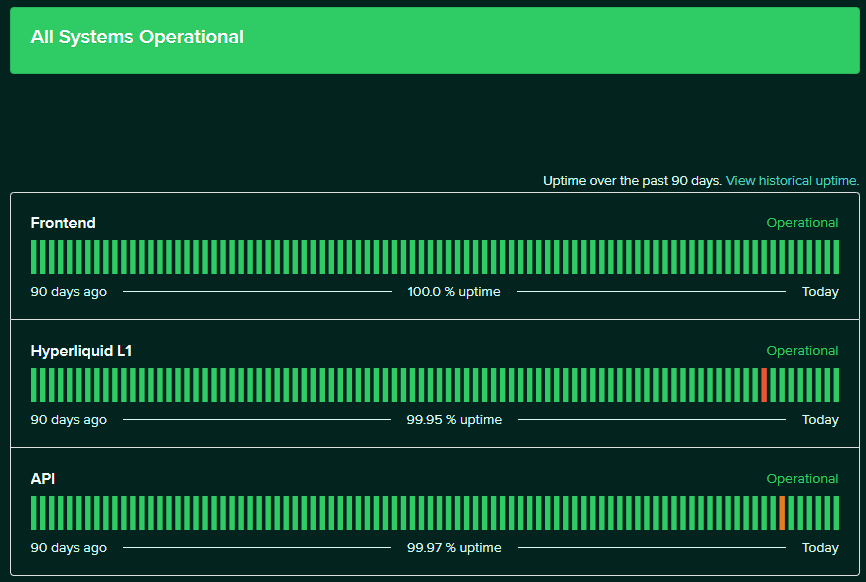
The event led to API server overloads between 14:10 and 14:47 UTC on July 29, resulting in delayed order execution and failed transaction confirmations. While transactions were still sent to the Ethereum mempool and later included in blocks, API errors caused confusion and loss of trading opportunities for active users.
“The API returned error responses despite transactions being sent,” Hyperliquid stated in a Telegram announcement, reassuring users that the issue was infrastructural, not security-related.
Refund Structure and KYC Requirement for High-Value Claims
Hyperliquid’s refund programme was structured into three categories, covering users based on the nature and severity of the impact during the downtime. All users affected were eligible for reimbursement, with no legal mandate enforcing such action, further cementing Hyperliquid’s reputation for accountability.
Users with losses exceeding $10,000 have been asked to complete Know Your Customer (KYC) verification to receive full compensation. These individuals have already received $9,999 and must submit identity documentation via Discord by August 18 to claim the remaining balance.
This move has sparked debate in the decentralised community, where privacy and pseudonymity are often paramount. However, most users have welcomed the security measures as a reasonable trade-off for large-value reimbursements.
DEX Sector Grows Despite Setbacks
The incident comes at a time when decentralised exchanges (DEXs) are rapidly gaining traction against centralised counterparts. Hyperliquid’s proactive handling of the outage may strengthen confidence in the sector, where performance, transparency, and community responsiveness are under constant scrutiny.
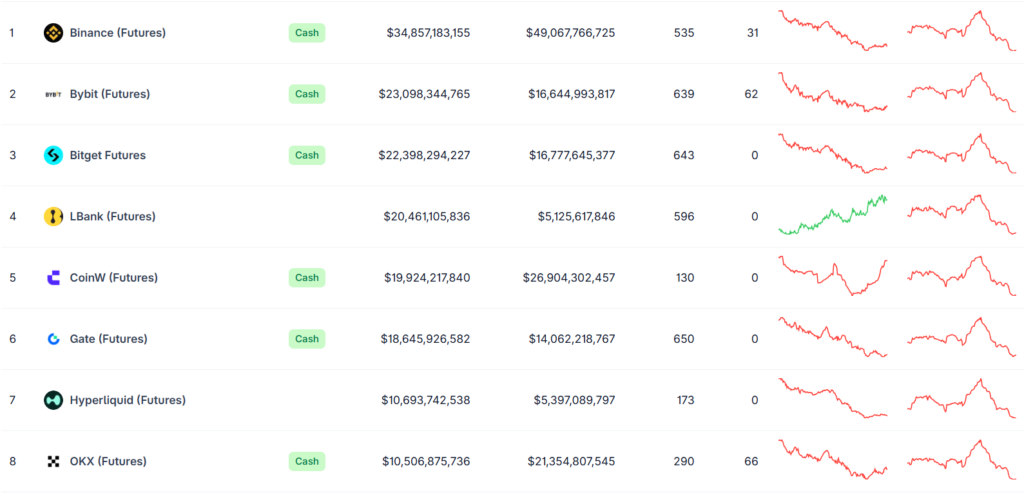
Despite a $6.26 million exploit involving the JELLY memecoin earlier in March due to liquidation parameter vulnerabilities, Hyperliquid has bounced back strongly. According to CoinGecko, the platform has risen to become the world’s seventh-largest derivatives exchange by open interest, up from 12th place in April with $10.6 billion in 24-hour open interest.
A Win for DEX Credibility
Hyperliquid’s response to the outage marked by swift refunds, open communication, and continued growth underscores the evolving reliability of decentralised platforms. While no system is immune to technical hiccups, the way platforms handle such crises is becoming a defining factor in user trust and long-term viability.
As decentralised finance (DeFi) continues to mature, Hyperliquid’s example may serve as a new benchmark in transparency and user accountability, helping bridge the gap between traditional financial expectations and blockchain-based innovation.