




















































































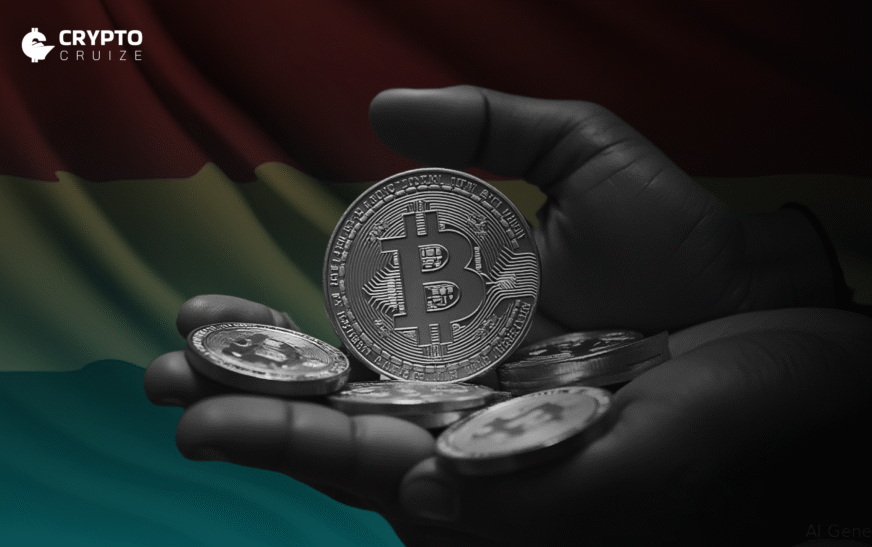
Ghana is preparing to introduce its first regulatory framework for cryptocurrency, as the country witnesses a surge in digital asset usage, now estimated at $3 billion between July 2023 and June 2024. The Bank of Ghana (BoG) plans to present a comprehensive bill to parliament in September, aiming to bring virtual currencies into the formal financial system.
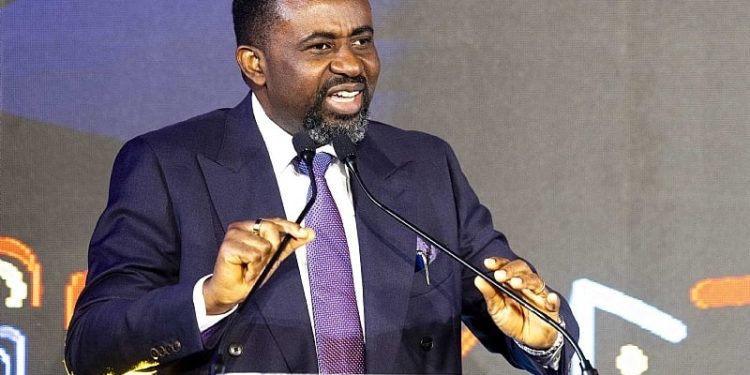
BoG Governor Johnson Asiama said the primary goal is to enhance transparency, collect accurate economic data, attract investment, and generate revenue for the national budget. “Millions of Ghanaians are already using crypto daily, yet much of it remains untracked and invisible to regulators,” Asiama stated.
This regulatory shift reflects a broader realisation among African governments that cryptocurrencies are no longer fringe assets but key components of the evolving financial landscape.
Key Features of Ghana’s Crypto Bill
The proposed legislation will focus on regulating digital asset exchanges and setting operational standards for crypto platforms. It will introduce consumer protection measures, ensure tax compliance, and strengthen financial oversight amid growing concerns around cross-border fraud and money laundering.
Crucially, it aims to integrate crypto-related transactions into Ghana’s macroeconomic planning by tracking flows in and out of the economy, currently missed in official data. Asiama acknowledged that these gaps have undermined the central bank’s ability to make sound monetary decisions.
The legislation is also expected to license exchanges and wallet providers, require know-your-customer (KYC) compliance, and give the central bank greater visibility into the crypto ecosystem.
Stabilising the Cedi and Monetary Policy
Beyond regulation, one of Ghana’s key motivations is to stabilise its volatile currency, the Ghanaian cedi. While the cedi has appreciated by 48% over the past 12 months, it followed a sharp 25% drop the previous year. Such fluctuations pose major challenges for monetary policy and inflation control, especially in an import-heavy economy.
Governor Asiama said crypto inflows and outflows, particularly when converted into foreign currencies have influenced the cedi’s value without being properly captured in data. This has complicated efforts to forecast inflation and set appropriate interest rates.
Currently, Ghana maintains a benchmark interest rate of 28%, while inflation dropped to 13.7% in June. Such high interest rates indicate persistent imbalances that the BoG hopes to address with improved data and broader financial inclusion enabled by crypto regulation.
Crypto Becoming Mainstream in Ghana
According to Del Titus Bawuah, CEO of Web3 Africa Group, roughly 3 million Ghanaians or 17% of the adult population now use cryptocurrencies. These include Bitcoin, Ethereum, and stablecoins like USDT. Bawuah noted that crypto is no longer viewed merely as a speculative asset. People are using it for everyday services, money transfers, and small business operations.

“This isn’t just about investing. Crypto is now part of how people live, trade, and survive,” Bawuah said.
Ghana’s $3 billion crypto trading volume is substantial, yet it pales in comparison to Nigeria’s $59 billion over the same period. Nigeria accounts for nearly half of sub-Saharan Africa’s $125 billion crypto activity, underscoring the scale of regional adoption.
A Digital Future for African Finance
Analysts say the rise in crypto adoption across Africa is driven by distrust in traditional banking systems, limited access to US dollars, and high remittance costs. Crypto offers a more efficient and borderless solution, particularly for e-commerce and cross-border payments.

Craig Stoehr, general counsel at Yellow Card, a pan-African stablecoin platform, said regulated crypto could help unlock regional trade potential by bypassing currency exchange barriers.
With the upcoming bill, Ghana is taking a bold step toward embracing crypto as a permanent fixture in its financial system, not only to protect users and attract investment, but also to future-proof its economy. If successful, it could become a model for other African nations navigating the same digital transition.