















































































Do Kwon, the South Korean entrepreneur behind the catastrophic collapse of the TerraUSD and Luna cryptocurrencies, has pleaded guilty in a US court to two counts of conspiracy to defraud and wire fraud. The 33-year-old, who co-founded Singapore-based Terraform Labs, appeared before US District Judge Paul Engelmayer in New York on Tuesday, admitting to misleading investors during the rapid unravelling of his digital asset empire in 2022.
Do Kwon’s plea marks a dramatic reversal from January, when he had denied a nine-count indictment that included charges of securities fraud, commodities fraud, wire fraud, and money laundering conspiracy. The new plea agreement was reached with the Manhattan US Attorney’s Office, which had brought the charges.
TerraUSD: From ‘Stablecoin’ Promise to Historic Collapse
At the heart of the case is TerraUSD, a so-called “algorithmic stablecoin” designed to maintain a constant $1 value. Launched with the promise of a self-stabilising mechanism the “Terra Protocol” it was paired with Luna, a more volatile token whose value was closely linked to TerraUSD’s stability.
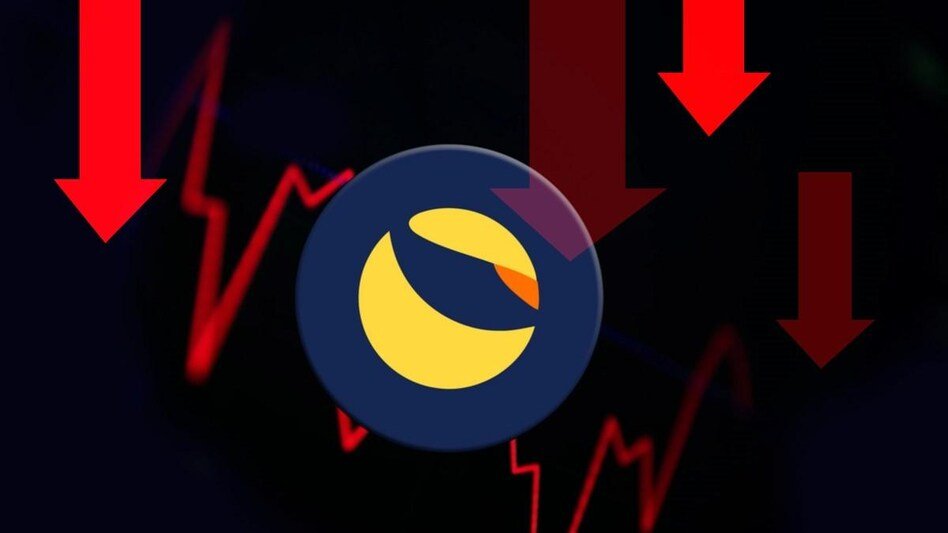
In May 2021, TerraUSD slipped below its $1 peg, raising fears of a full-scale collapse. Instead of telling investors the truth, prosecutors say Kwon claimed the protocol’s algorithm had restored the peg. In reality, he had arranged for a high-frequency trading firm to secretly purchase millions of dollars’ worth of TerraUSD to artificially prop up its value.
These misleading statements, prosecutors argued, drove both retail and institutional investors to buy Terraform products, sending Luna’s market value soaring to $50 billion by spring 2022. But by May that year, the ecosystem’s collapse wiped out roughly $40 billion in investor wealth, shaking the entire cryptocurrency market and fuelling a wave of bankruptcies across the sector.
Prosecutors Call It One of the Largest Frauds in History
Manhattan US Attorney Jay Clayton did not mince words.
“Do Kwon used the technological promise and investment euphoria around cryptocurrency to commit one of the largest frauds in history,” he said.
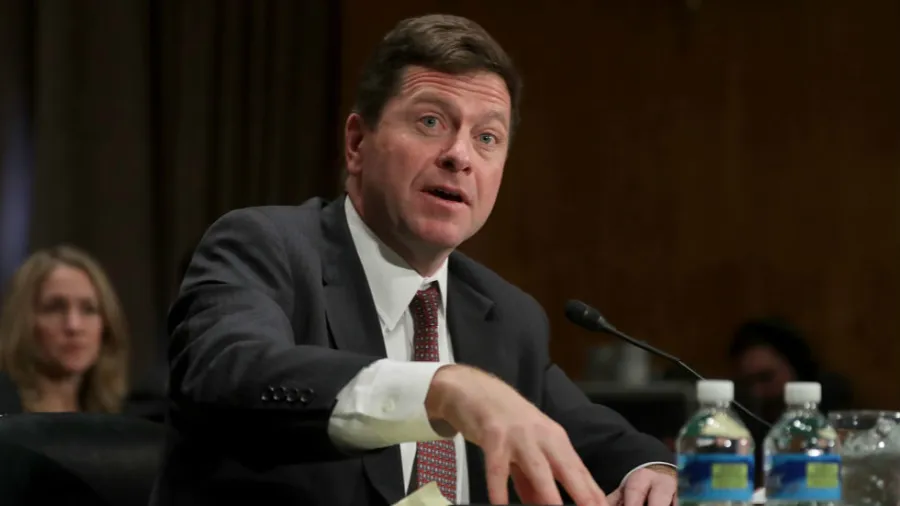
Under the plea deal, Kwon faces a statutory maximum of 25 years in prison. However, federal prosecutor Kimberly Ravener told the court that the government would recommend no more than 12 years, provided Do Kwon accepts full responsibility. His sentencing is scheduled for 11 December.
Do Kwon apologised directly in court, saying:
“I made false and misleading statements about why it regained its peg by failing to disclose a trading firm’s role in restoring that peg. What I did was wrong.”
Heavy Financial Penalties and Global Legal Trouble
Do Kwon’s criminal case is only part of his legal troubles. In 2024, he agreed to a $4.55 billion settlement with the US Securities and Exchange Commission (SEC), which included an $80 million civil fine and a lifetime ban on participating in cryptocurrency transactions.
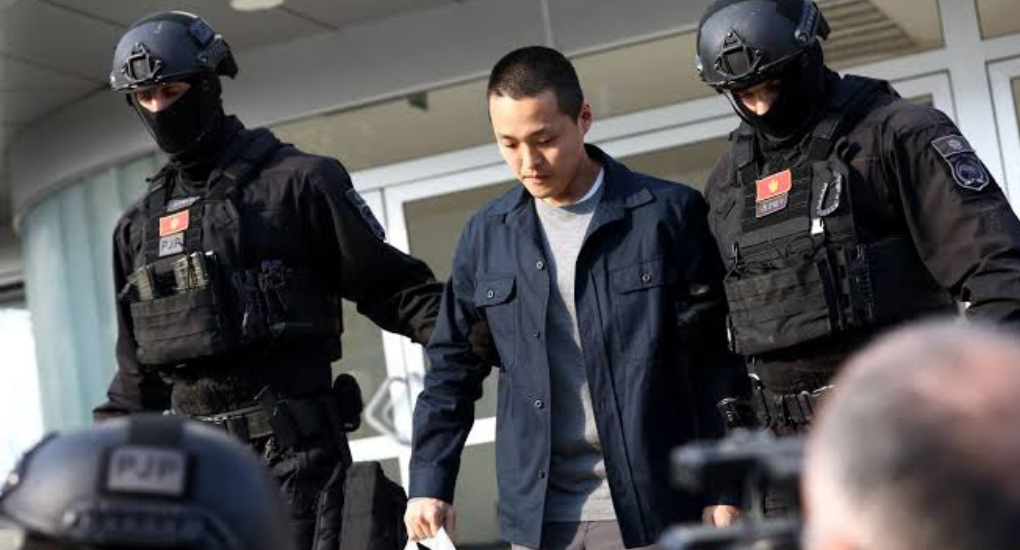
He has been detained since his extradition from Montenegro late last year. South Korean prosecutors have also filed charges against him, and as part of the US plea agreement, American prosecutors will not oppose his potential transfer abroad after he serves half of his US sentence.
The TerraUSD and Luna collapse was a pivotal moment in the 2022 crypto downturn, triggering a cascade of failures across the industry. It also placed algorithmic stablecoins and the regulatory gaps around them, under intense scrutiny from lawmakers worldwide.
A Symbol of Crypto’s Boom-and-Bust Era
Do Kwon’s fall from grace mirrors the trajectory of the cryptocurrency market itself: rapid expansion, investor euphoria, and a dramatic implosion. His guilty plea comes as US regulators continue to pursue high-profile cases against crypto executives whose companies failed during the market crash of 2022.
For many in the industry, the TerraUSD collapse is a cautionary tale about the risks of experimental financial engineering, the dangers of unchecked hype, and the need for transparency in an often opaque market.
As Kwon awaits sentencing, the wider crypto community remains watchful. The verdict will not only shape his future but could set an important precedent for how aggressively regulators and prosecutors pursue fraud in the digital asset space, a space still struggling to regain credibility after its most volatile period to date.