








































































Coinbase has just hit a major milestone in Europe. The US-based crypto exchange has secured a MiCA license from Luxembourg, giving it the green light to operate in all 27 EU member states. This development is seen as a big step forward for regulated crypto services in Europe, but it also raises serious questions about the future of crypto oversight across the continent.
Here’s what this move means for Coinbase, the EU crypto market, and the ongoing concerns over regulatory loopholes.
What Is MiCA and Why It Matters
MiCA stands for Markets in Crypto Assets, a landmark EU regulation that came into effect in June 2023. It sets out a unified framework for crypto businesses operating in the European Union. The biggest benefit? Companies only need to get licensed in one EU country to provide services across the entire bloc, a process known as “passporting.”
Before MiCA, crypto firms had to navigate different sets of rules in each EU country, making expansion complicated and costly. Now, a single license opens the door to millions of potential users across Europe.
Coinbase’s MiCA license comes from Luxembourg, one of the EU’s smaller but highly finance-friendly member states.
Why Coinbase Chose Luxembourg
In its official statement, Coinbase explained that Luxembourg was picked because of its “whole-of-government” approach to blockchain technology. Over the past few years, the country has passed four blockchain-related laws and built a reputation as a progressive hub for digital finance.
Coinbase also mentioned its long-standing efforts to work with EU regulators. The exchange already holds licenses in Germany, France, Ireland, Italy, the Netherlands, and Spain. With MiCA, these fragmented efforts now merge under one cohesive license, a move the company says will offer “regulated, trusted, and secure crypto services” to millions of Europeans.
Regulation Shopping: A Growing Concern
While MiCA simplifies business for crypto companies, it’s also causing regulatory headaches.
Because firms can now pick any EU country to get licensed in, some are choosing nations with fewer regulatory resources. This practice, often referred to as “regulation shopping,” has sparked fears of a “race to the bottom” where companies deliberately choose jurisdictions that might be less strict on enforcement.
Coinbase registered in Luxembourg, and rival exchange Gemini is pursuing approval in Malta, another small EU country with a growing reputation in the crypto space. Other major exchanges like OKX, Bitstamp, and Crypto.com have also received licenses in these jurisdictions.
Critics warn that this could weaken consumer protections and harm the EU’s reputation in the digital finance world.
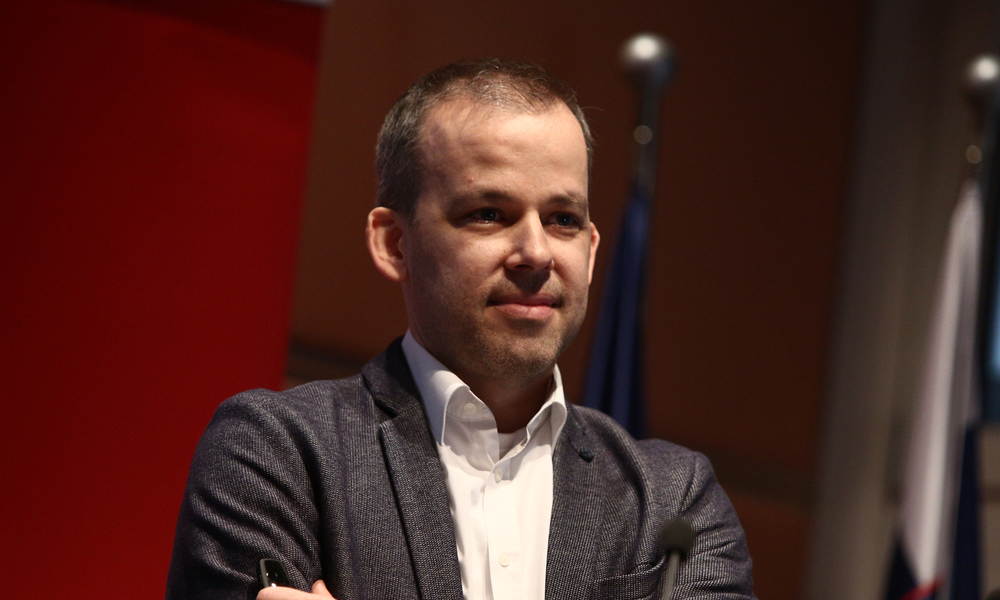
Peter Curk, CEO of UK-based crypto firm ICONOMI, voiced his concern earlier this month, saying that lenient licensing in countries with limited regulatory capacity could “dilute consumer protection and cross-border trust.”
Regulators Are Watching Closely
The European Securities and Markets Authority (ESMA) is not ignoring these concerns. It is currently reviewing Malta’s licensing processes and plans to release a report on its findings soon.
Meanwhile, regulatory action hasn’t stopped altogether. Malta recently fined OKX $1.2 million for earlier anti-money laundering (AML) compliance failures, showing that even smaller countries can and will act when needed.
Still, critics argue that enforcement alone isn’t enough. They call for stricter, uniform standards across the EU to prevent firms from using MiCA as a backdoor into the bloc through less-regulated entry points.
The Road Ahead for EU Crypto
Coinbase’s MiCA license is a big win, both for the company and for crypto adoption across Europe. It signals a new era of regulated crypto services and could encourage more companies to follow suit.
However, the license also shines a light on the challenges of unified regulation. As the EU continues to refine its approach, the balance between innovation and regulation will be key. With MiCA still in its early days, the next year will be crucial in deciding whether this model can truly work across such a diverse group of nations.