



















































































After years of rejection and regulatory hurdles, the altcoin market is finally seeing a surge in momentum. In the first half of 2025 alone, at least 31 new altcoin ETFs (Exchange-Traded Fund) applications have been submitted to the US Securities and Exchange Commission (SEC), according to Cointelegraph Research. This flurry of filings comes in response to a noticeable shift in the SEC’s stance on digital assets, particularly under new leadership.
The crypto community is calling it the start of an “altcoin summer” a period when institutional money may finally flow into altcoins, just as it did for Bitcoin and Ether after their ETF approvals. But does this enthusiasm mark the beginning of a bull run or will it fall flat, as Ether ETFs did?
Let’s explore how ETF applications are shaping altcoin markets, what this means for the wider crypto space, and why the SEC’s recent policy changes could be a game-changer.
SEC’s Softer Stance Sparks Altcoin ETF Boom
The first wave of change began with the approval of spot Bitcoin ETFs in January 2024, followed by spot Ether ETFs in July the same year. These approvals gave traditional investors exposure to cryptocurrencies via familiar financial instruments. Until recently, however, other altcoins like XRP, Solana, and Dogecoin were left in the cold.
But now, thanks to growing optimism and regulatory adjustments after the 2024 US elections, altcoin ETF filings are surging.
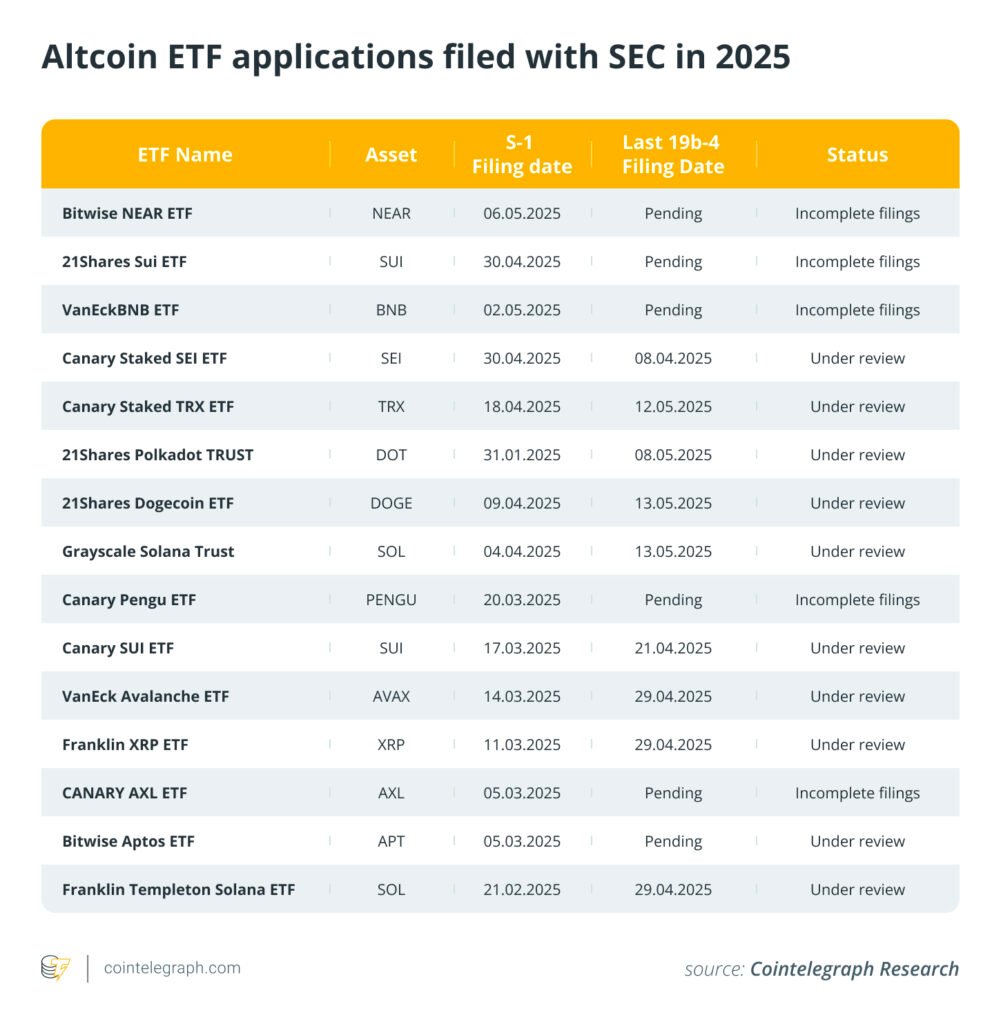
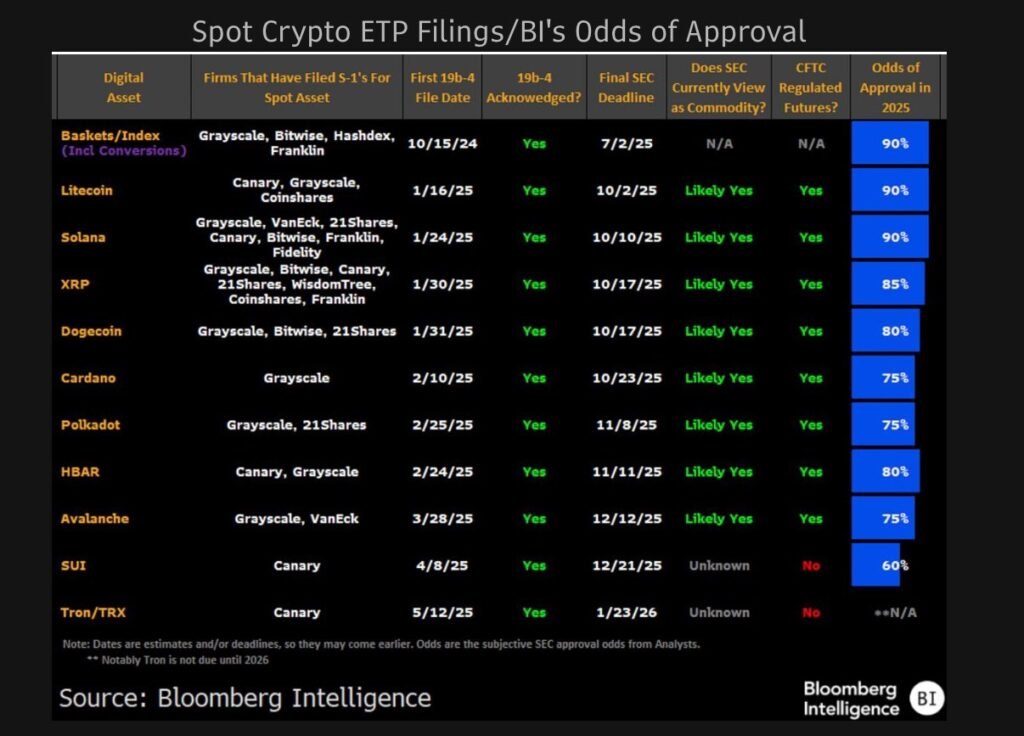
Firms like VanEck, WisdomTree, Franklin Templeton, and REX-Osprey have applied to launch ETFs for BNB, Avalanche, XRP, Dogecoin, and even Donald Trump’s meme coin. The momentum has led analysts to predict that at least 10 ETFs could be approved this year, a massive leap compared to the past where such proposals barely made it to discussion.
According to Bloomberg ETF analyst Eric Balchunas, the first altcoin ETF to be approved may be Litecoin, with Solana not far behind. Balchunas noted that the Osprey team is pushing hard to be first to market with a Solana ETF, even forcing an early effective filing.
“Altcoin Summer” or Market Mirage?
The phrase “altcoin summer” refers to a period where alternative cryptocurrencies significantly outperform Bitcoin, drawing in retail and institutional investors alike. While ETF approvals are a step in the right direction, there are questions about whether this hype will translate to actual price increases.
For example, although Ether ETFs were greenlit in 2024, ETH hasn’t matched Bitcoin’s price surge. Despite steady inflows and zero net outflows in May 2025, Ethereum’s growth has been limited by low network fees and decreased use on decentralised exchanges.
Balchunas himself warns:
“Nothing will compare to Bitcoin. The further away you get from BTC, the fewer assets you’ll see.”
Furthermore, two separate altcoin season indexes, by Blockchain Center and CoinMarketCap, suggest that we are still firmly in Bitcoin season, where BTC dominates market attention and investment.
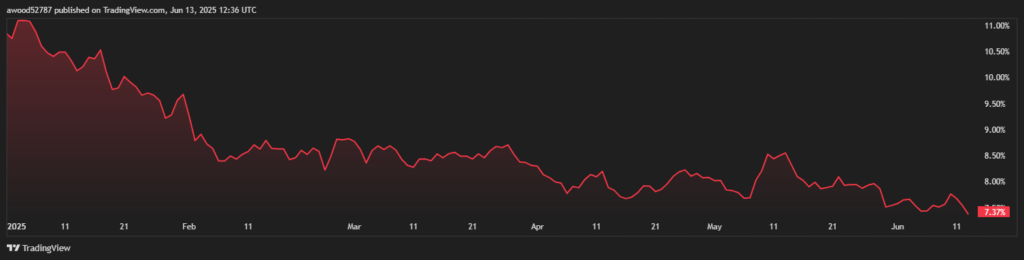
Even so, popular analysts like Michaël van de Poppe remain bullish. He believes the real altcoin bull market is yet to come, arguing that current conditions are perfect for a massive rebound after a prolonged crypto winter. Geopolitical shocks, such as the June 13 attack on Iran by Israel, caused temporary dips in crypto, but analysts like van de Poppe saw it as a buying opportunity rather than a warning sign.
SEC’s Policy Flip: From Enforcement to Innovation
Perhaps the biggest driver behind the ETF application spree is the SEC’s recent regulatory U-turn. On April 10, Paul Atkins was confirmed as the new SEC Chairman, replacing Gary Gensler, who had a much stricter stance on crypto.
Atkins has introduced several crypto-friendly policy reversals, including:
- Withdrawing Rule 3b-16, which would have expanded the definition of “exchange” to cover decentralised protocols (DeFi).
- Scrapping a custody rule that excluded crypto wallets and exchanges from being “qualified custodians.”
- Pushing for an “innovation exemption”, a proposed rule that would let crypto-related financial products come to market faster.
Additionally, the SEC is no longer favouring “regulation by enforcement”, which often stifled innovation through lawsuits and legal threats. Instead, Atkins prefers a “notice and comment” approach allowing developers and companies to participate in the regulatory process.
The changes have been praised not only by the crypto industry but also by leaders in other regulatory bodies. Caroline Pham, acting chair of the Commodity Futures Trading Commission (CFTC), supported the move, suggesting that more coordinated and constructive regulation is on the horizon.
What This Means for the Future of Crypto
The combination of ETF filings, regulatory reform, and market anticipation points to a potentially explosive period for the altcoin market, but it won’t be without hurdles.
Here’s what to watch for:
- First approvals: The approval of one or two altcoin ETFs, such as Litecoin or Solana, will set the tone. It may open the floodgates for others, including memecoins.
- SEC feedback: The SEC has already asked Solana ETF filers to clarify key areas like staking and in-kind redemptions, hinting at growing openness to more complex crypto features.
- Market response: Even if ETFs are approved, investor interest will determine price impact. If institutions don’t bite, the ETFs may underperform.
- Macro conditions: Global events, inflation trends, and monetary policies will still heavily influence crypto markets.
Despite all the excitement, it’s important to remember that ETF approval doesn’t guarantee a price boom. However, it does bring legitimacy, accessibility, and potential for long-term adoption.
Whether or not an “altcoin summer” actually arrives, one thing is certain: the crypto landscape in the US is shifting fast. With a more cooperative SEC, fresh ETF applications, and analysts predicting greater institutional access, altcoins may finally get their moment in the spotlight.
While risks remain, the optimism around ETFs, especially for projects like XRP, Solana, Dogecoin, and others, reflects a new era of crypto maturity. It’s not just about wild speculation anymore, it’s about building bridges between traditional finance and decentralised innovation.