





















































































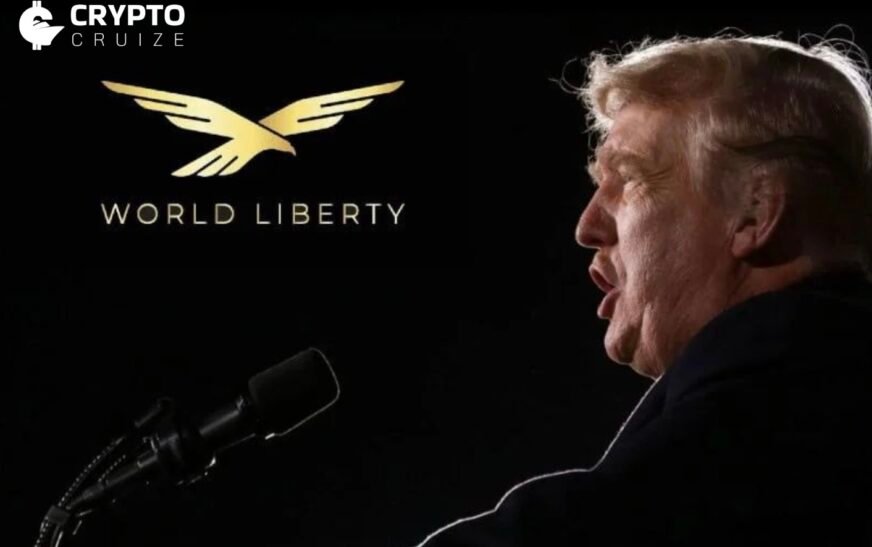
World Liberty Financial, a decentralized finance project associated with the family of US President Donald Trump, has formally stepped into the cryptocurrency lending space. The move comes as signs of recovery appear across onchain credit markets, supported by improving regulation and renewed investor confidence.
The company has launched a new lending and borrowing platform built around its USD1 stablecoin, marking one of the largest recent entries into decentralized crypto credit markets. Industry watchers see the development as part of a broader revival in digital asset lending after the turbulence of previous market cycles.
World Liberty Markets Launches Lending Platform
The new product, named World Liberty Markets, went live on Monday and allows users to lend and borrow digital assets through an onchain system. According to a Bloomberg report, the platform is structured to function as a single marketplace where users can supply collateral, earn yield or access liquidity without selling their holdings.
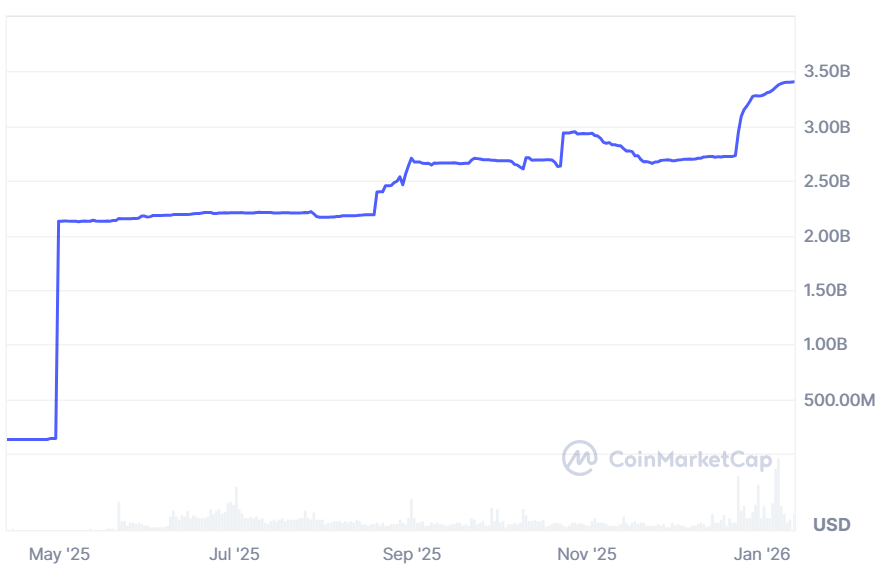
At the center of the platform is USD1, World Liberty’s US dollar backed stablecoin, which already has a circulating supply valued at around $3.4 billion. The ecosystem is supported by the project’s governance token, WLFI, which enables community participation in platform decisions.
By focusing on a stablecoin based model, World Liberty aims to reduce volatility risks that have historically complicated crypto lending, while still providing access to decentralized credit.
Supported Assets and Collateral Options
World Liberty Markets supports a range of widely used digital assets at launch. Users can post Ether, a tokenized version of Bitcoin, and major stablecoins such as USD Coin and Tether as collateral. This allows borrowers to unlock liquidity while maintaining exposure to their underlying crypto holdings.
The platform has been designed to accommodate both lenders and borrowers within the same onchain framework. Interest rates and loan conditions are determined by market demand, rather than by centralized intermediaries.
World Liberty co-founder Zak Folkman told Bloomberg that the list of supported collateral is expected to expand over time. Potential additions include tokenized real world assets, a sector gaining attention as traditional finance experiments with blockchain based representations of bonds, property and other instruments.
Broader Ambitions and Strategic Partnerships
Beyond lending, World Liberty is exploring partnerships across the digital asset ecosystem. Folkman said the company is in discussions with prediction markets, cryptocurrency exchanges and real estate platforms to integrate lending services more deeply into onchain finance.
These efforts align with World Liberty’s longer term strategy to position USD1 as a widely used settlement and treasury asset. The stablecoin is already being used for cross-border payments and corporate treasury operations, according to the company.
The lending launch also follows World Liberty’s recent application for a national trust bank charter with the US Office of the Comptroller of the Currency. If approved, the charter would allow the company to operate under a more formal regulatory framework, potentially boosting confidence among institutional users and regulators alike.
Crypto Lending Shows Signs of Recovery
World Liberty’s move into lending reflects a wider rebound in crypto borrowing and lending activity. As digital assets continue to gain acceptance in mainstream finance, investors are again seeking ways to access liquidity without liquidating long term positions.
This renewed demand is emerging in a more cautious environment than in previous cycles. Many of the most severe failures in crypto lending, including the collapses of BlockFi and Celsius, were linked to centralized models, weak risk controls and opaque balance sheets rather than flaws in blockchain technology itself.
Market participants argue that onchain transparency, automated risk management and clearer regulation can reduce the likelihood of similar failures. Decentralized platforms allow users to verify collateral levels and loan conditions in real time, addressing some of the trust issues that plagued earlier lenders.
Growing Activity Across DeFi and Centralized Platforms
The recovery in crypto lending is visible across both decentralized and centralized services. Digital asset lender Nexo continues to offer borrowing products that allow Bitcoin and Ether holders to take out loans against their assets, including zero interest options under specific conditions.
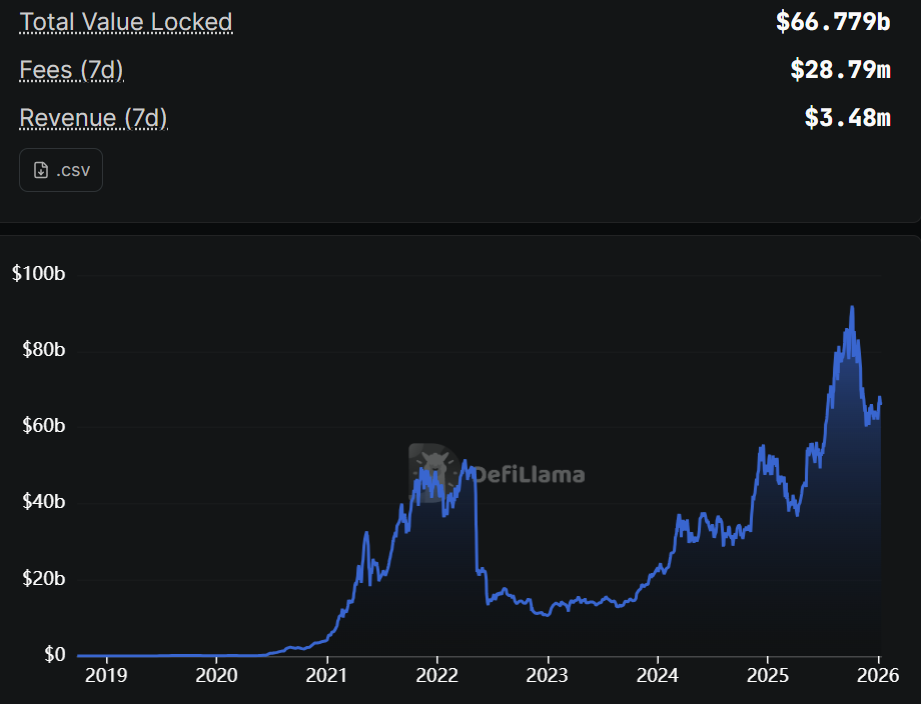
On the decentralized side, investment activity is picking up. Babylon recently raised $15 million from a16z Crypto to expand its Bitcoin native lending infrastructure. The funding highlights investor interest in building lending systems that operate directly on blockchain networks, without relying on centralized custodians.
Together, these developments suggest that crypto lending is entering a more mature phase. While risks remain, projects like World Liberty Financial are betting that improved infrastructure, regulation and transparency will support sustainable growth in onchain credit markets.