






















































































In what is being described as one of the largest corporate investments in history, NVIDIA (NASDAQ: NVDA) and OpenAI have announced a strategic partnership to deploy 10 gigawatts of AI computing infrastructure. As part of the deal, NVIDIA will invest up to $100 billion in OpenAI, with funding tied to each gigawatt milestone of deployment.
The first phase is set to roll out in the second half of 2026, powered by NVIDIA’s forthcoming Vera Rubin platform, marking a significant leap in AI hardware and infrastructure development. The agreement also cements NVIDIA as OpenAI’s preferred strategic compute and networking partner, reinforcing its dominance in the AI hardware market.
The partnership not only secures unprecedented computing capacity for OpenAI but also creates a self-reinforcing commercial relationship where NVIDIA’s hardware sales directly translate into equity upside.
Scaling AI Power Beyond Precedent
The scale of this deployment is staggering. To put it into perspective, a single gigawatt can power approximately 750,000 homes. Dedicating 10 gigawatts solely to AI computing infrastructure underscores the massive resource demand behind OpenAI’s pursuit of artificial general intelligence (AGI).
Current AI models already require vast amounts of computing power, but the infrastructure announced here surpasses anything previously seen in the sector. This represents not just an incremental improvement but a quantum leap in AI scale, designed to handle the next generation of models.
For OpenAI, this ensures a long-term supply of computational power removing the biggest bottleneck to scaling AI systems. For NVIDIA, it locks in a multi-decade client relationship, guaranteeing demand for its most profitable GPU systems.
A Partnership That Reshapes Strategy
The structure of the investment is particularly innovative. Rather than a traditional equity buy-in, NVIDIA’s funding is directly tied to deployment milestones. Each new gigawatt of NVIDIA-powered infrastructure creates both immediate hardware revenue and long-term equity upside.
This effectively functions as vendor financing at scale, but with the added advantage of deep strategic alignment. NVIDIA’s GPUs and networking technology will power OpenAI’s most ambitious projects, while OpenAI’s model development roadmap will directly influence NVIDIA’s hardware innovation.
The agreement includes co-optimisation of software and hardware roadmaps, a sign that this partnership goes beyond a buyer-seller arrangement. OpenAI is expected to have a role in shaping NVIDIA’s next-generation chip architecture, while NVIDIA may directly influence how OpenAI designs its training and inference models.
This level of integration creates strong switching costs, making it nearly impossible for OpenAI to shift to alternative hardware vendors such as AMD or Intel without significant disruption.
Competitive and Market Implications
The partnership is more than just an investment; it is a competitive power play.
For NVIDIA, the deal ensures continued dominance over rivals. With AMD and Intel attempting to break into the AI accelerator market, this announcement signals to the industry that NVIDIA remains the undisputed leader in AI compute. By aligning so closely with OpenAI, the most prominent AI application company NVIDIA sends a message to both competitors and enterprise customers: its roadmap is the default path for next-generation AI infrastructure.
For OpenAI, the alliance provides an insurmountable head start against competitors like Anthropic and Google DeepMind. With guaranteed access to 10GW of dedicated compute, OpenAI is set to train and deploy models at scales others cannot match. The move effectively raises the barrier to entry for any AI research organisation that does not have comparable access to resources.
The timing is also strategic. By announcing this deal years in advance of deployment, NVIDIA creates a psychological moat, potentially freezing corporate purchasing decisions as customers wait for its Vera Rubin platform. This could stall competitors’ momentum before their next-generation offerings reach maturity.
A Historic Repositioning in AI
This partnership marks a significant shift in NVIDIA’s business model. Long known as a semiconductor supplier, NVIDIA is now repositioning itself as a major AI infrastructure investor. The $100 billion commitment not only ensures long-term customer alignment but also transforms the company into a stakeholder in the AI ecosystem’s most important player.
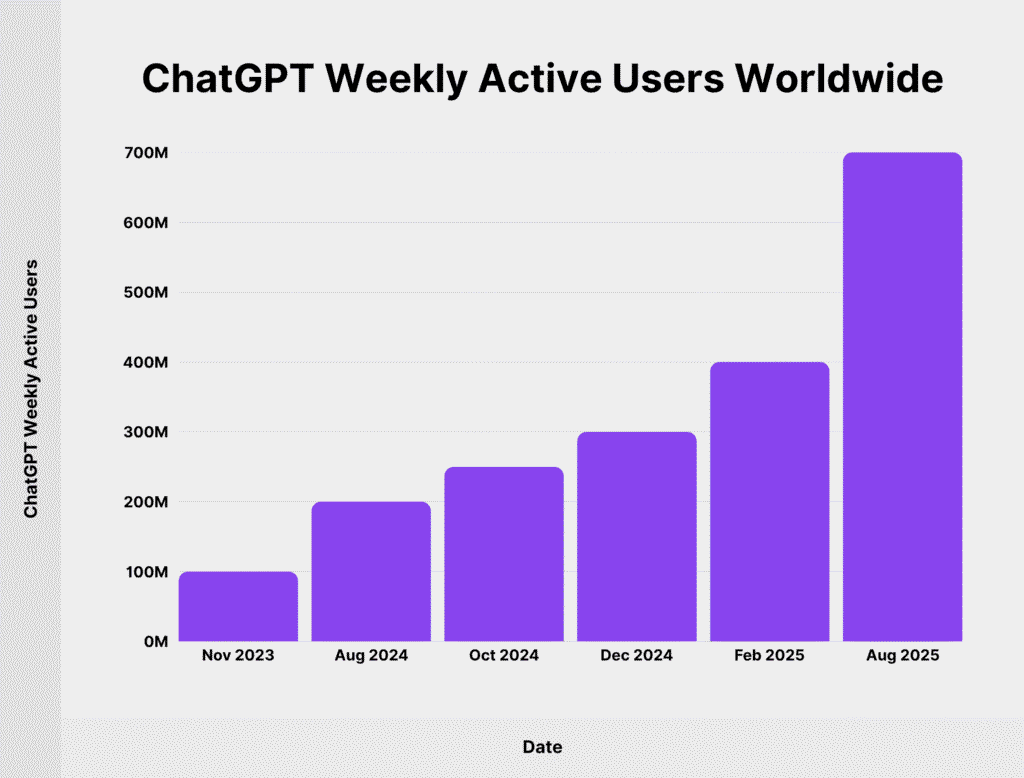
The arrangement reflects a virtuous cycle: NVIDIA’s hardware powers OpenAI’s growth, which in turn increases the value of NVIDIA’s investment. As OpenAI’s models expand and adoption rises, the company currently serves 700 million weekly active users and NVIDIA’s returns multiply both through hardware sales and through the appreciation of its equity position.
For OpenAI, this partnership eliminates the existential risk of compute scarcity. With NVIDIA’s backing, the company gains a reliable pipeline of infrastructure capable of supporting AGI-level systems, securing its position as a frontrunner in the global AI race.
Looking Ahead
The 2026 deployment timeline hints at OpenAI’s development trajectory. It suggests that its most ambitious AI models are still several years from real-world release, aligning their availability with the scale of compute that only NVIDIA can provide.
By co-developing future infrastructure, both companies are not only addressing today’s AI bottlenecks but also shaping the next decade of AI evolution.
In the long run, this partnership could be remembered as a defining moment in AI history, when the world’s leading chipmaker and the leading AI research lab aligned to create an unprecedented foundation for artificial general intelligence.