





















































































TRON founder Justin Sun has launched a high-stakes legal battle against Bloomberg, accusing the media outlet of breaching confidentiality over his cryptocurrency holdings.
The case, filed on 1 August in a Delaware federal court, stems from Bloomberg’s plan to include Sun in its Bloomberg Billionaires Index, a ranking of the world’s richest individuassls. According to Justin Sun, the publication broke its promise to keep details of his crypto assets private, putting him at both personal and financial risk.
Confidentiality Promises Allegedly Broken
Sun says Bloomberg repeatedly assured him, both verbally and in writing that his portfolio details would remain “strictly confidential”. The data, he claims, was meant only to verify his net worth, not to be shared publicly.
Internal Bloomberg communications, cited in the lawsuit, allegedly show editors and reporters agreeing to restrict access to the data and delete it after verification. Sun claims these promises were the reason he agreed to take part in the project.
The TRON founder also noted that other billionaire profiles in the index rarely included such detailed asset breakdowns unless those numbers were already public through official filings or voluntary disclosures.
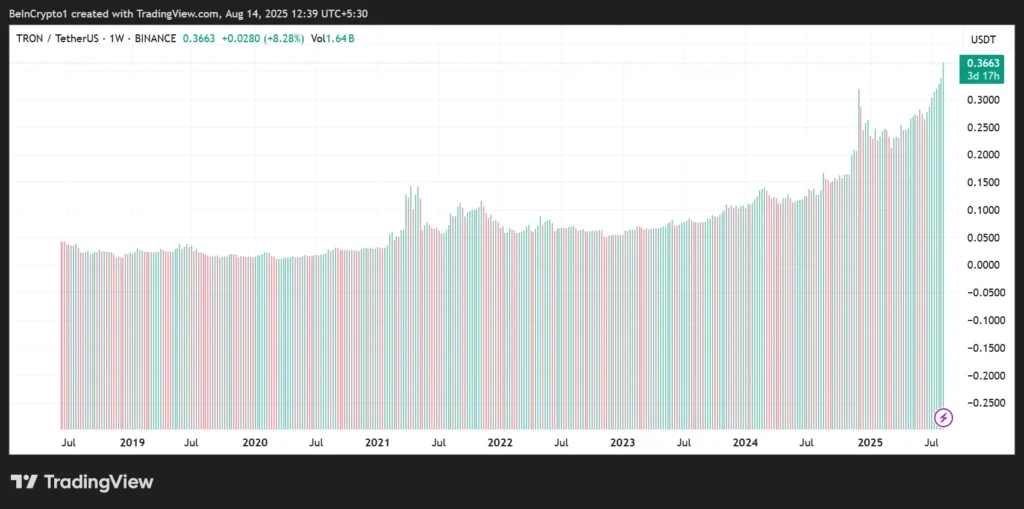
Despite this, Justin Sun says the draft Bloomberg profile he received in late July included specific figures about his crypto holdings, along with what he calls “numerous inaccuracies”. These included claims that he controls:
- 60 billion TRX (around 63% of TRON’s total supply)
- 17,000 BTC
- 224,000 ETH
- 700,000 USDT
Crypto researcher Molly White commented that while it was always known Sun held a large portion of TRX, the reported 63% figure is significantly higher than most estimates.
Security Concerns and Crypto Crime Surge
Justin Sun’s lawsuit warns that publishing these details could expose him to serious security threats including hacking, theft, extortion, and even physical attacks on him and his family.
His fears are not without precedent. In recent years, crypto crime has risen sharply, with several high-profile incidents reported:
- In one case, criminals plotted to kidnap a family and amputate fingers over a $3 million crypto debt, offering hitmen $10,000 to carry out the plan.
- In France, a Ledger hardware wallet user was abducted, marking the tenth crypto-related kidnapping in the country this year.
- Coinbase CEO Brian Armstrong once called the bomb squad to his home after receiving a suspicious package.
Given these dangers, Justin Sun’s lawyers sent Bloomberg a cease-and-desist letter on 2 August, demanding they limit the article to broad asset categories and his net worth without revealing specific coin amounts.
Bloomberg Refuses to Back Down
Bloomberg’s legal team reportedly informed Justin Sun that they intended to publish the full details regardless, claiming the article had already gone live. They also indicated they would oppose his request for a temporary restraining order (TRO).
This prompted Sun to escalate matters, seeking a TRO as well as preliminary and permanent injunctions to stop Bloomberg from publishing exact cryptocurrency amounts. He is also asking for compensation for legal costs.
Bloomberg, for its part, says it acted within its legal rights and will contest Sun’s claims.
Bigger Implications for Crypto Transparency
The dispute has sparked intense speculation within the crypto community. Some suggest Justin Sun’s determination to keep his holdings secret may be linked to:
- Avoiding regulatory or tax scrutiny
- Managing public perception over his control of TRON’s token supply
- Concealing politically sensitive transactions
Others believe the fight is simply about personal security, given the risks faced by wealthy crypto holders.
However, the case could set a broader precedent. If Justin Sun wins, it may empower other wealthy crypto figures to demand more privacy. If Bloomberg wins, it could cement the media’s right to publish detailed blockchain-based wealth information, especially when it can be verified publicly on-chain.
What Comes Next
For now, the court will decide whether to grant Justin Sun’s request to block Bloomberg from publishing or keeping the detailed breakdown online. A ruling in Sun’s favour could limit future media disclosures about crypto billionaires.
On the other hand, if Bloomberg prevails, it may signal that blockchain’s inherent transparency combined with journalistic freedom, outweighs individual privacy concerns.
Either way, the outcome is likely to be closely watched across both the crypto industry and the wider business world, as it touches on the balance between financial transparency, personal safety, and press freedom.