



















































































Despite mounting political pressure and proposed regulatory pushback in the United States, the Trump family is continuing to carve out a major presence in the global crypto landscape. Donald Trump Jr. is set to take the stage at Korea Blockchain Week this September, while his younger brother, 19-year-old Barron Trump, has reportedly earned nearly $40 million through a controversial crypto venture, World Liberty Financial (WLFI).
Together with Eric Trump, the brothers are positioning themselves as key players in the Web3 arena, taking on ambassadorial roles and equity stakes in emerging crypto companies aligned with their family’s digital asset vision.
Donald Trump Jr. to Speak Alongside Crypto Heavyweights
The organisers of Korea Blockchain Week have confirmed Donald Trump Jr. as a featured speaker at their 2025 event. He will represent American Bitcoin, a crypto mining company he co-founded with his brother Eric earlier this year. Backed by Hut 8, a prominent Bitcoin mining firm and majority shareholder, American Bitcoin aims to promote Bitcoin as a strategic reserve asset under an “America-first” tech strategy.

The conference will also host high-profile figures like Solana Foundation President Lily Liu and MEXC founder Arthur Hayes, highlighting Donald Jr.’s growing legitimacy in the sector. Event organisers credit him with helping bring American Bitcoin “to the forefront of the global crypto mining industry.”
Barron Trump Earns $40M from WLFI Token Sales
While Donald Jr. promotes American Bitcoin overseas, his youngest brother Barron is making headlines for a different reason. As one of three “Web3 Ambassadors” at WLFI, Barron may have earned nearly $40 million, according to insider estimates based on a recent financial disclosure.
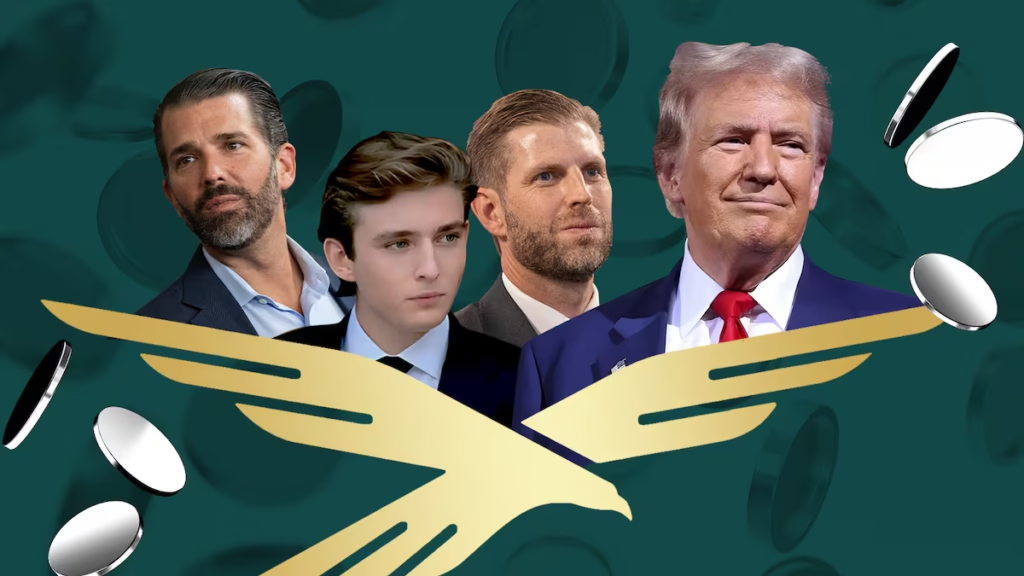
At the end of 2024, former President Donald Trump owned a 52.5% stake in WLFI, while an additional 22.5% was split among unnamed family members. Assuming this remaining stake was divided evenly among Donald Jr., Eric, and Barron, each son would have held 7.5% equity in the company. With 75% of WLFI’s token sale revenue reportedly flowing to owners, each son could have pocketed approximately $39 million.
WLFI’s stablecoin project, USD1, and its opaque fundraising methods have sparked controversy in crypto and political circles alike. The Trump family has been quietly offloading their holdings, perhaps in anticipation of regulatory scrutiny.
Regulatory Blowback: Democrats Propose COIN Act
The Trump family’s increasing entanglement with crypto ventures has not gone unnoticed by U.S. lawmakers. On Monday, Democratic Senator Adam Schiff introduced the COIN Act (Curbing Officials’ Income and Nondisclosure). The bill seeks to ban sitting presidents, vice presidents, and their immediate family members from launching, promoting, or profiting from cryptocurrency projects while in office.
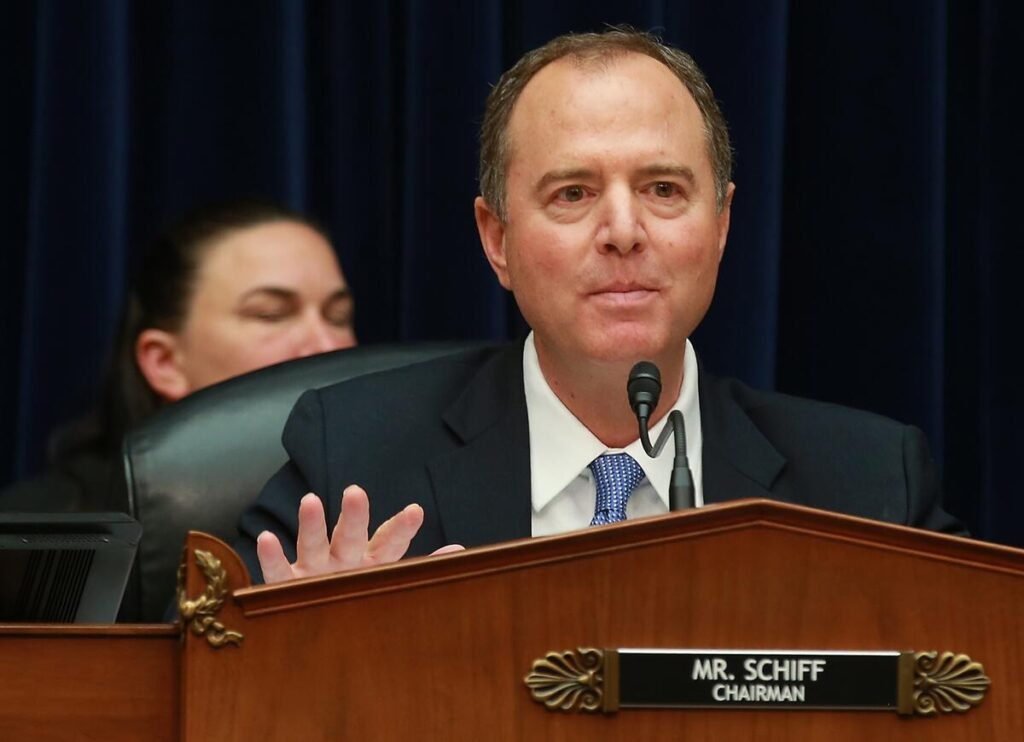
This legislation is seen as a direct response to the Trump family’s ventures, particularly the controversy surrounding WLFI. Critics have also targeted the proposed GENIUS Act, claiming it would unfairly benefit USD1 by legitimising it as a federal payment instrument.
These developments underscore growing concerns around the ethics and transparency of high-ranking political families engaging in crypto-related businesses, especially as former President Trump prepares for a potential return to office.
Crypto and Politics: A Collision Course?
The Trump family’s crypto ambitions signal a bold convergence of politics and decentralised finance. With Donald Jr. moving deeper into global crypto advocacy and Barron profiting significantly from digital assets, their presence in the space is undeniable, yet also deeply contentious.
As crypto continues its ascent, scrutiny over potential conflicts of interest and insider advantages will likely intensify. Whether the COIN Act or similar bills gain traction could determine how involved political families can remain in the industry moving forward.