

























































































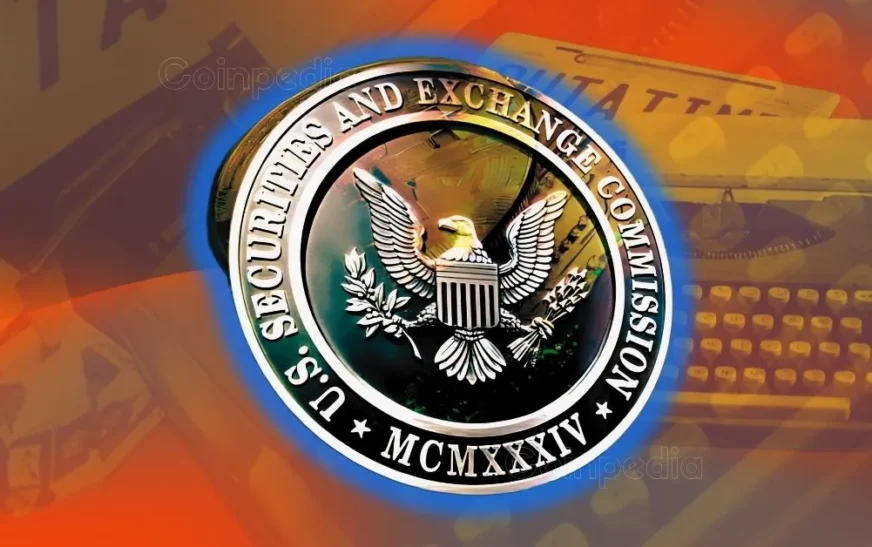
In a landmark address on May 12, 2025, U.S. Securities and Exchange Commission (SEC) Chairman Paul Atkins signalled a significant shift in the agency’s approach to cryptocurrency and blockchain innovation. Speaking at the fourth Crypto Task Force Roundtable on Tokenization, held at the SEC headquarters, Atkins presented a roadmap that could shape the future of digital asset regulation in the United States. The roundtable centred on how tokenization — the migration of traditional securities to blockchain-based systems — is redefining capital markets.
Comparing the shift to the digitisation of music, Atkins called for a new regulatory framework that supports innovation while safeguarding investors. Here’s a breakdown of the five biggest takeaways from the event:
Clear Rules Are No Longer Optional
Atkins was emphatic: regulatory clarity must be the top priority. For too long, the crypto industry has operated under inconsistent guidance, which he argued stifled innovation and increased fraud risk.
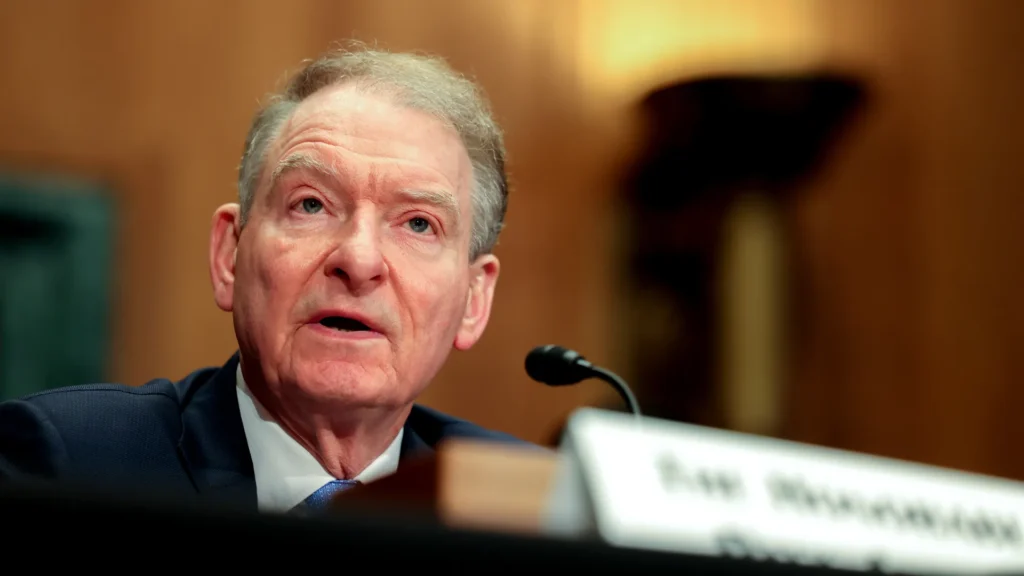
“We need to give digital assets a firm foundation through a rational and uniform approach,” Atkins said.
To achieve this, he laid out three critical policy priorities:
- Simplifying token issuance through modernised frameworks
- Upgrading custody regulations to reflect blockchain infrastructure
- Reforming trading rules for decentralised platforms
This approach is aimed at reducing regulatory friction without sacrificing investor protection — a delicate balance the SEC intends to strike through further industry engagement and refined legislation.
Tokenisation = Financial System 2.0
Atkins likened the current shift in financial markets to the music industry’s transformation from analogue to digital. He argued that blockchain, much like digital music formats, can reduce inefficiencies and bring about sweeping improvements in transparency, security, and cost-effectiveness.
“Blockchain could do for financial services what digital encoding did for the music business — remove friction and unleash innovation,” Atkins stated.
Tokenization allows traditional securities to exist on-chain, providing faster settlement times, improved record-keeping, and simplified collateral management. These changes, he said, are not theoretical — they are already happening. Institutions like the Depository Trust and Clearing Corporation (DTCC) have recently launched platforms for tokenized collateral, underlining the industry’s move towards mainstream adoption.
Safe Harbours and Exemptions on the Table
To encourage compliant innovation, Atkins suggested revisiting existing exemptions and crafting new “safe harbours” for crypto businesses. These would allow startups and financial institutions to experiment and issue tokens without immediate fear of regulatory enforcement — provided they follow basic investor protection principles.
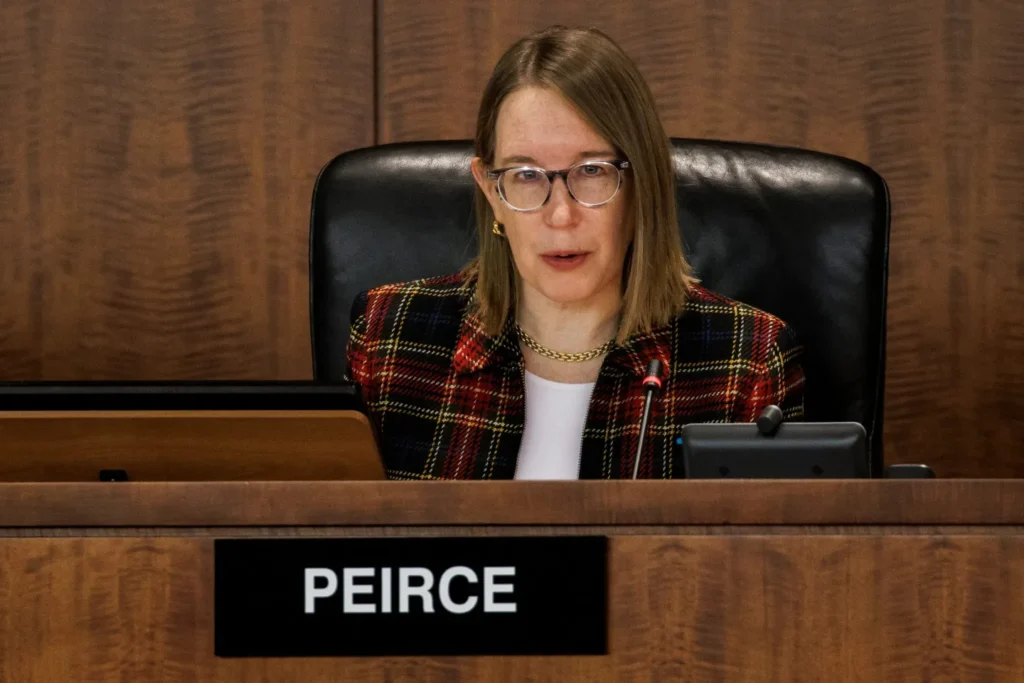
This proposal is in line with the views of SEC Commissioner Hester Peirce, often nicknamed “Crypto Mom,” who has long championed clearer paths for decentralised innovation. The roundtable’s panelists — representing fintech firms, legal experts, and blockchain engineers — supported the idea that regulatory certainty is crucial to scaling blockchain adoption in capital markets.
Technical Innovations Get Regulatory Spotlight
The roundtable didn’t shy away from the technical side of tokenisation. Smart contracts, distributed ledger technology (DLT), and decentralised custody systems were front and centre in the discussion. Atkins recognised the power of these technologies to streamline traditional financial functions like:
- Trade settlement
- Collateral management
- Ownership verification
Importantly, Atkins acknowledged that legacy database systems — often plagued by errors and inefficiencies — pose significant risks that blockchain could mitigate. By reducing reliance on intermediaries and improving auditability, he argued, tokenisation enhances market integrity.
Industry Collaboration and Future Vision
Atkins’s speech made it clear that the SEC is embracing a more collaborative tone under his leadership. Drawing on his previous experience in blockchain firms such as Digital Chamber and Securitize, he signalled that the SEC is no longer treating the crypto space as a fringe sector, but as an integral part of financial innovation.

He also praised the Crypto Task Force’s ongoing efforts to maintain dialogue with industry players and announced plans for the fifth and final roundtable in June 2025, which will address decentralised finance (DeFi) and stablecoins. Previous efforts have already addressed key areas, including:
- Crypto securities offers (statement issued April 10, 2025)
- Meme coins and PoW mining concerns
- Stablecoin regulatory approaches
“Entrepreneurs are using blockchain to take our financial system into the modern age, and we should be helping them do that,” Atkins concluded.
With Paul Atkins at the helm, the SEC appears to be entering a new era — one marked by clarity, collaboration, and calculated risk-taking. His call for regulatory transparency, combined with a tech-forward attitude, may prove crucial as the U.S. seeks to retain its leadership in financial innovation.